
Eating With Your Hands: Unhygienic… or the Real Way to Taste Food?
There’s a moment of hesitation.
You’re sitting at a table, the food looks incredible, but instead of forks and knives… there are none. Just hands. Someone reaches in, effortlessly, confidently, like it’s the most natural thing in the world.
And you pause.
Is this hygienic? Am I supposed to do the same?
Because somewhere along the way, we were taught that “proper eating” involves utensils. That cleanliness looks like distance—no touching, no direct contact, no mess.
But what if that idea isn’t universal?
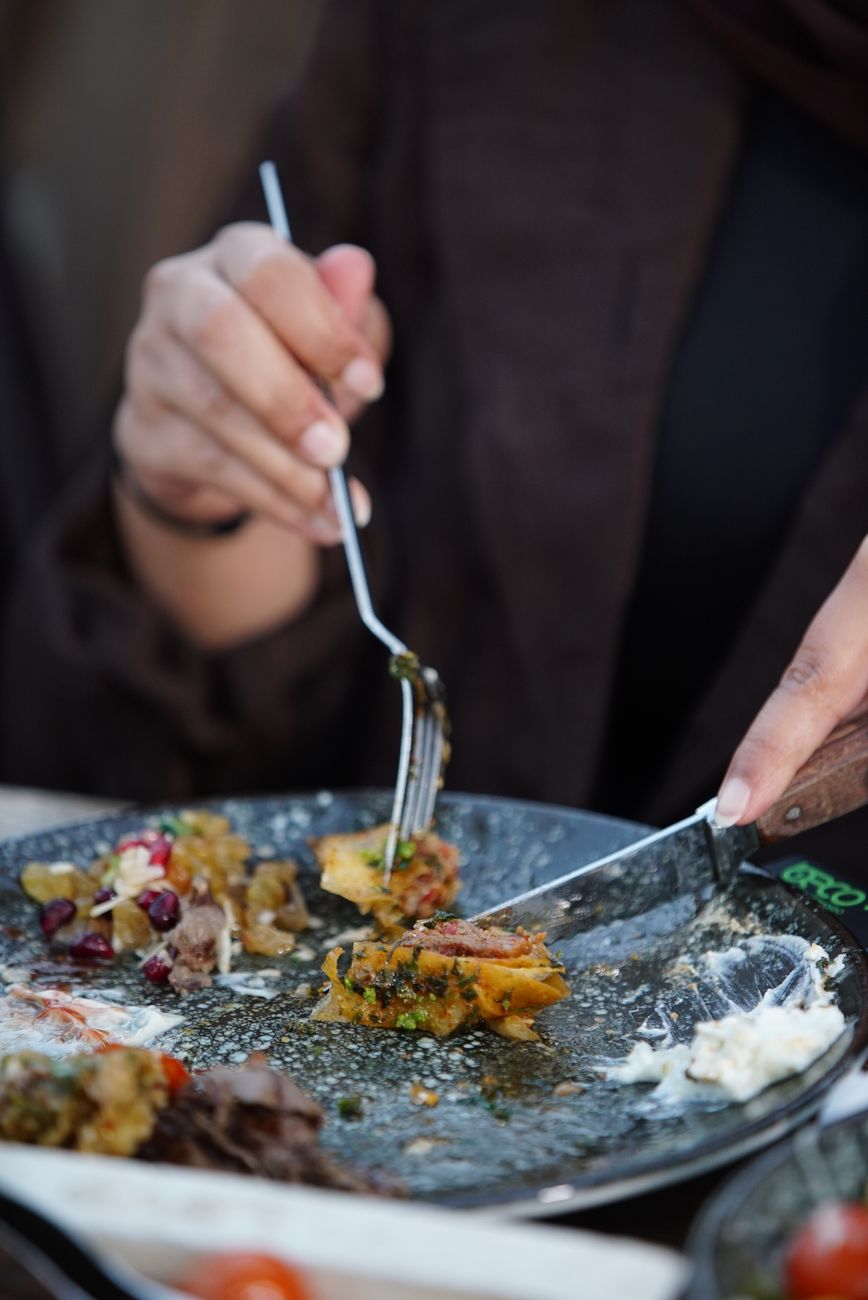
Clean Hands vs. Clean Habits
Let’s address the obvious question first: hygiene.
Eating with your hands isn’t automatically unhygienic—just like using utensils isn’t automatically clean. It all comes down to one simple thing: how clean your hands are.
In cultures where eating with hands is the norm, washing hands before and after meals isn’t optional—it’s essential. It’s part of the ritual. In many homes, it’s done more consciously than quickly grabbing a fork from a drawer.
And if we’re being honest… how often do we think about how clean our utensils really are?
So maybe the issue isn’t hands vs. forks.
Maybe it’s awareness vs. assumption.

Food Was Meant to Be Touched
There’s something different that happens when you eat with your hands.
You feel the temperature before it reaches your mouth.
You understand the texture—soft, crispy, sticky, delicate.
You naturally control the portion, shaping each bite yourself.
It slows you down.
Instead of mechanically eating, you become part of the process. You’re not just consuming food—you’re experiencing it.
And in many cultures, that connection isn’t accidental. It’s intentional.
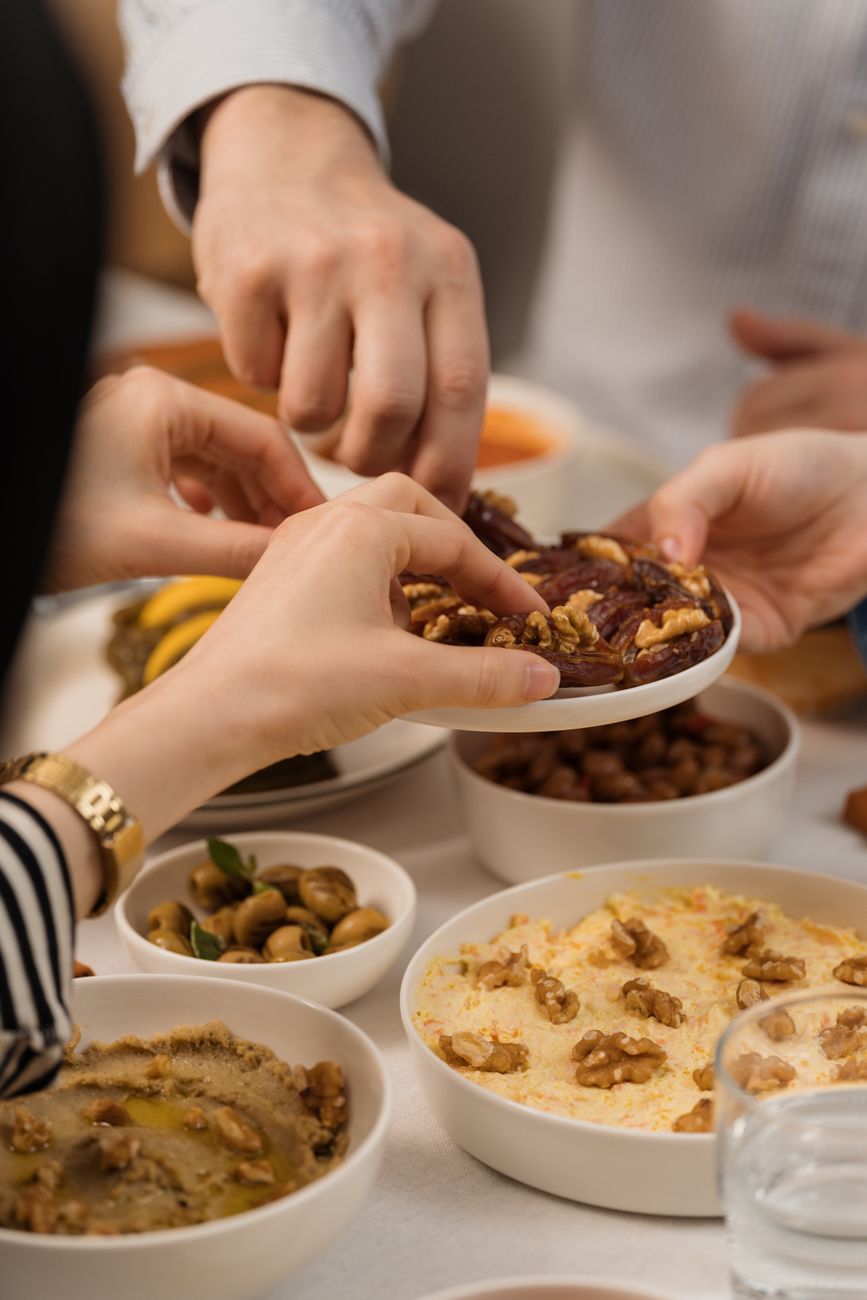
It’s Not Just Eating—It’s Sharing
In places where eating with hands is common, meals are rarely individual.
They’re shared.
One plate.
Multiple hands.
A rhythm that doesn’t need rules.
From Ethiopian injera to Middle Eastern mezze to South Asian thalis, food becomes something that brings people together—literally and emotionally.
You’re not just eating next to someone.
You’re eating with them.
And somehow, that changes everything.
The Discomfort Isn’t About Cleanliness
Let’s be real.
The hesitation most people feel isn’t always about hygiene. It’s about unfamiliarity. About stepping outside what feels “proper” or “normal.”
Using your hands feels… exposed.
There’s no barrier. No tool separating you from the food. And for some, that feels too close, too messy, too different.
But “different” doesn’t mean “wrong.”
It just means you’re not used to it.
So… Which One Is Better?
Maybe that’s the wrong question.
Utensils bring convenience, structure, and speed.
Hands bring connection, awareness, and experience.
One isn’t superior to the other—they’re just different ways of interacting with food.
But if you’ve never tried eating with your hands the right way—clean hands, shared setting, cultural context—you might be missing a whole layer of what food can feel like.
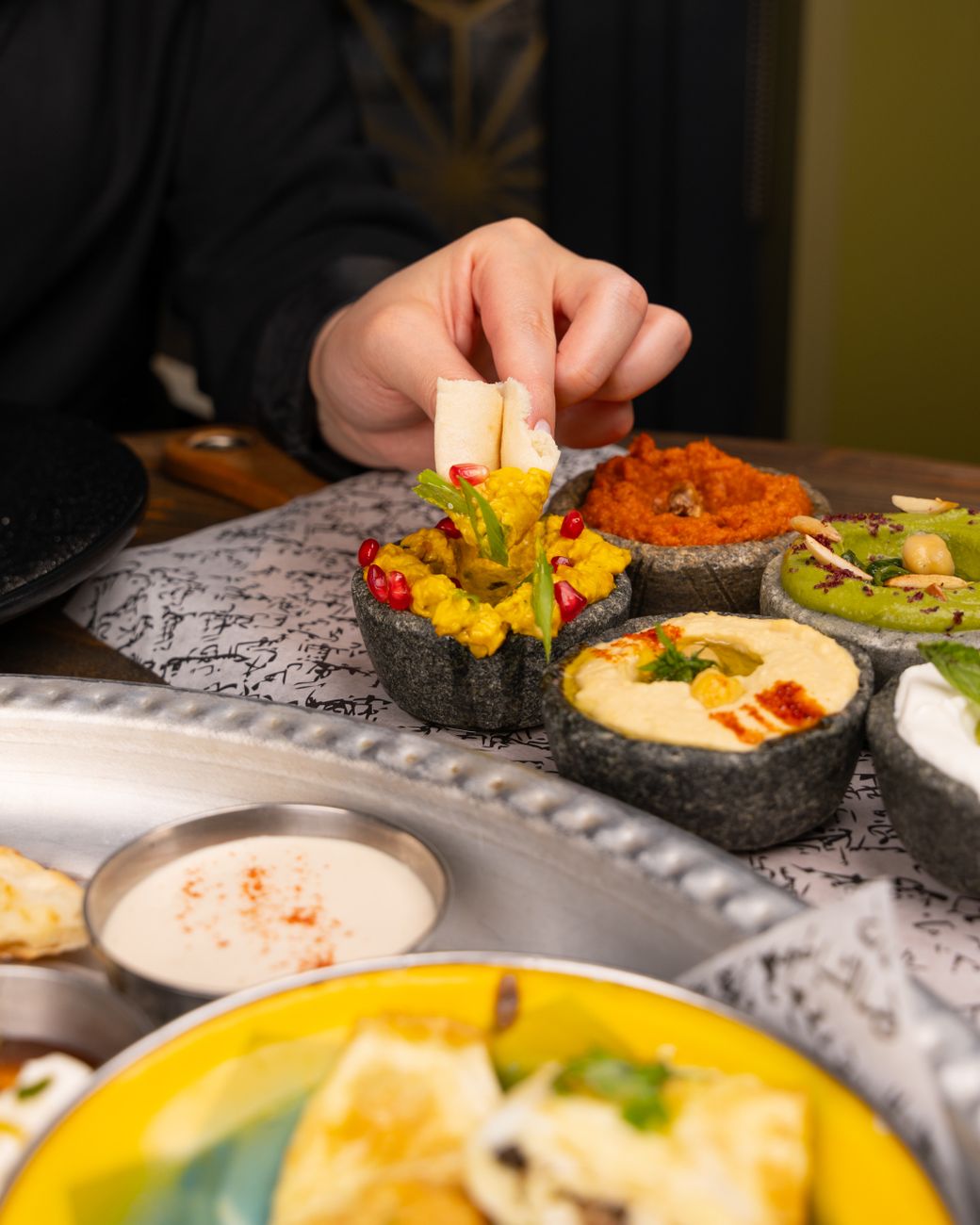
Maybe It’s Not About Clean or Unclean
Maybe it’s about distance.
Utensils create space between you and your food.
Hands remove that space.
And once that distance is gone, food stops being just something on a plate.
It becomes something you feel.


