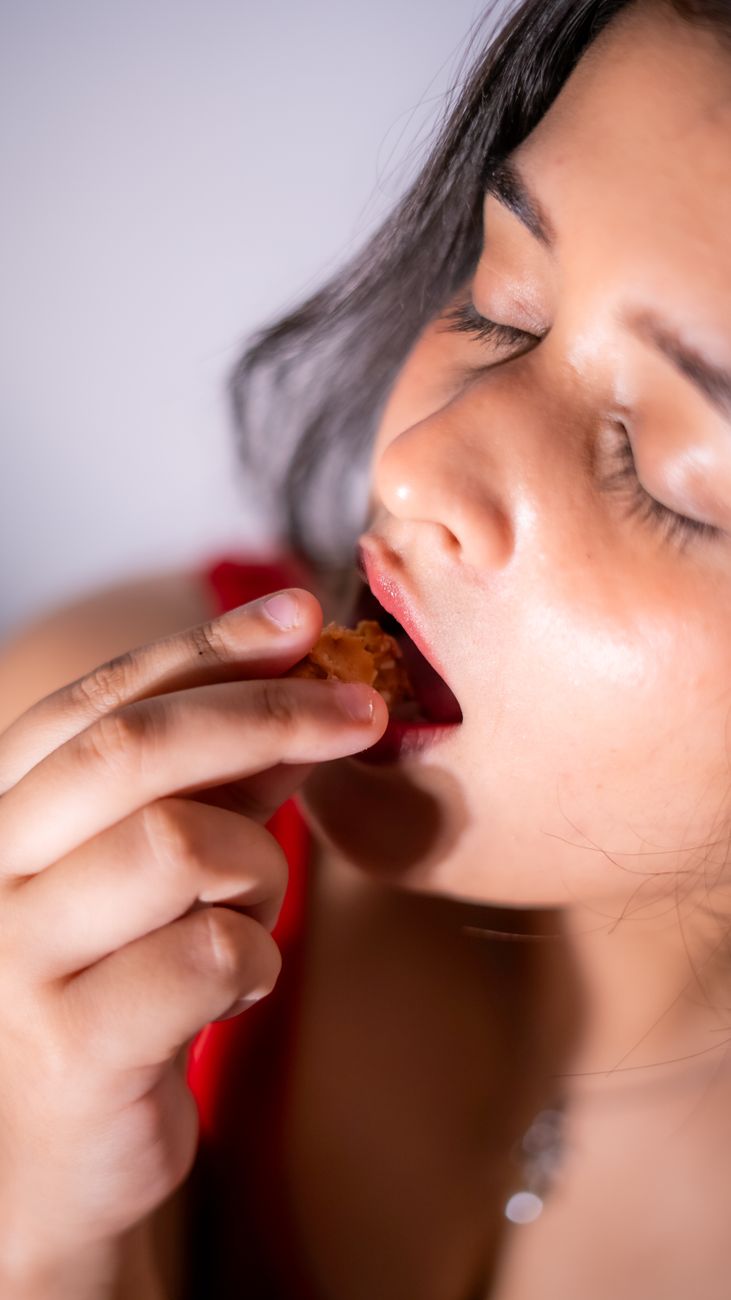
Fesikh: The Smell of Spring or a Test of Courage?
There are few foods that can enter a room before you do.

Fesikh is one of them.
Before you even see it, you know it’s there. The smell is strong, sharp, impossible to ignore. For some, it’s a warning. For others, it’s an invitation. And in Egypt, especially around Sham El-Nessim and Easter time, it’s not just food—it’s a tradition that divides opinions like nothing else.
First Things First: What Is Fesikh?
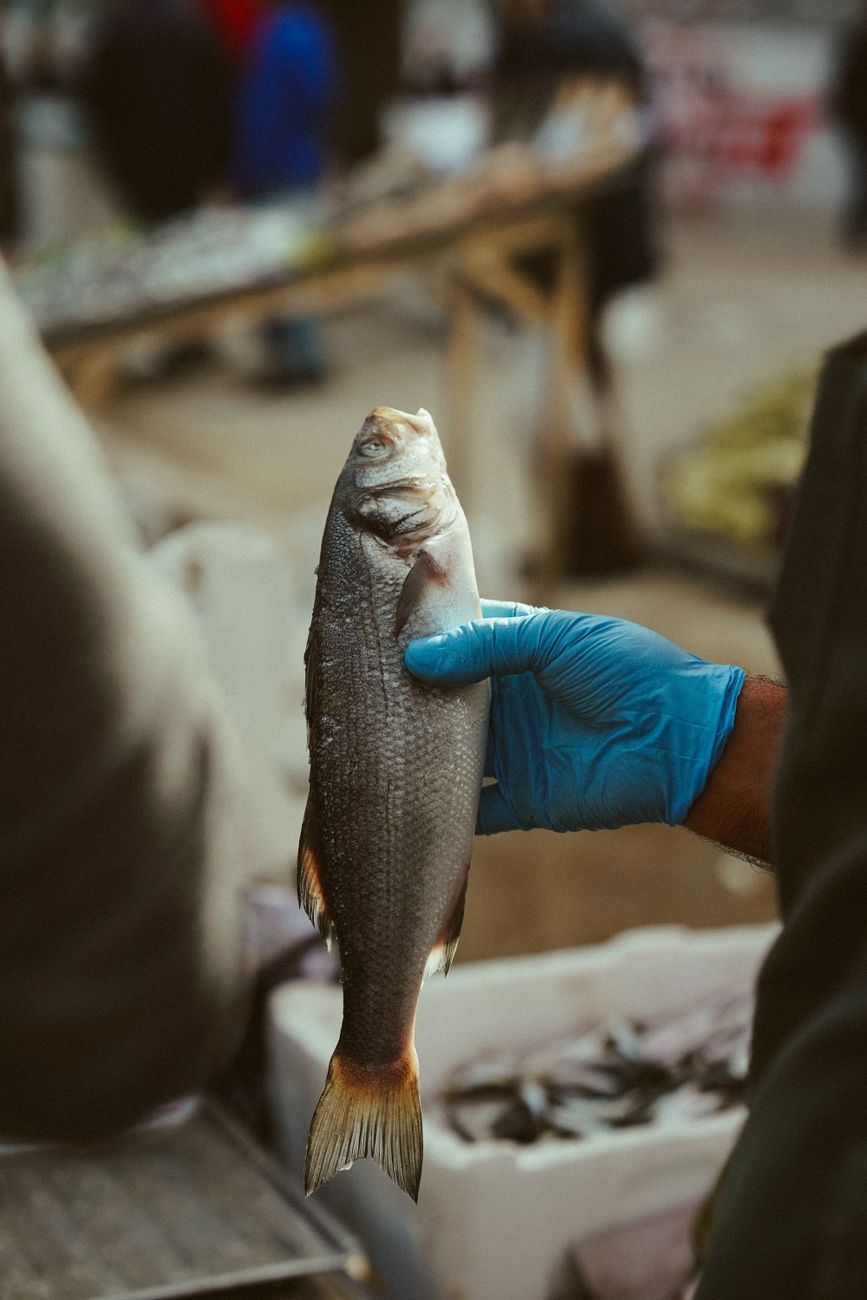
Fesikh is fermented, salted fish—usually mullet—that’s been preserved using a very old method. The process takes time, patience, and a lot of salt. It’s not cooked in the traditional sense; instead, it’s cured and left to develop its intense flavor over weeks.
To someone unfamiliar, it might sound… intimidating.
But to many Egyptians, it’s a seasonal ritual. You don’t just “eat” fesikh—you prepare for it. You open windows. You slice onions. You bring out lemon and bread. It becomes an experience, not just a meal.
More Than Food—It’s a Ritual
Fesikh isn’t random. It shows up at a very specific time: Sham El-Nessim, the Egyptian spring festival that often aligns with Easter.
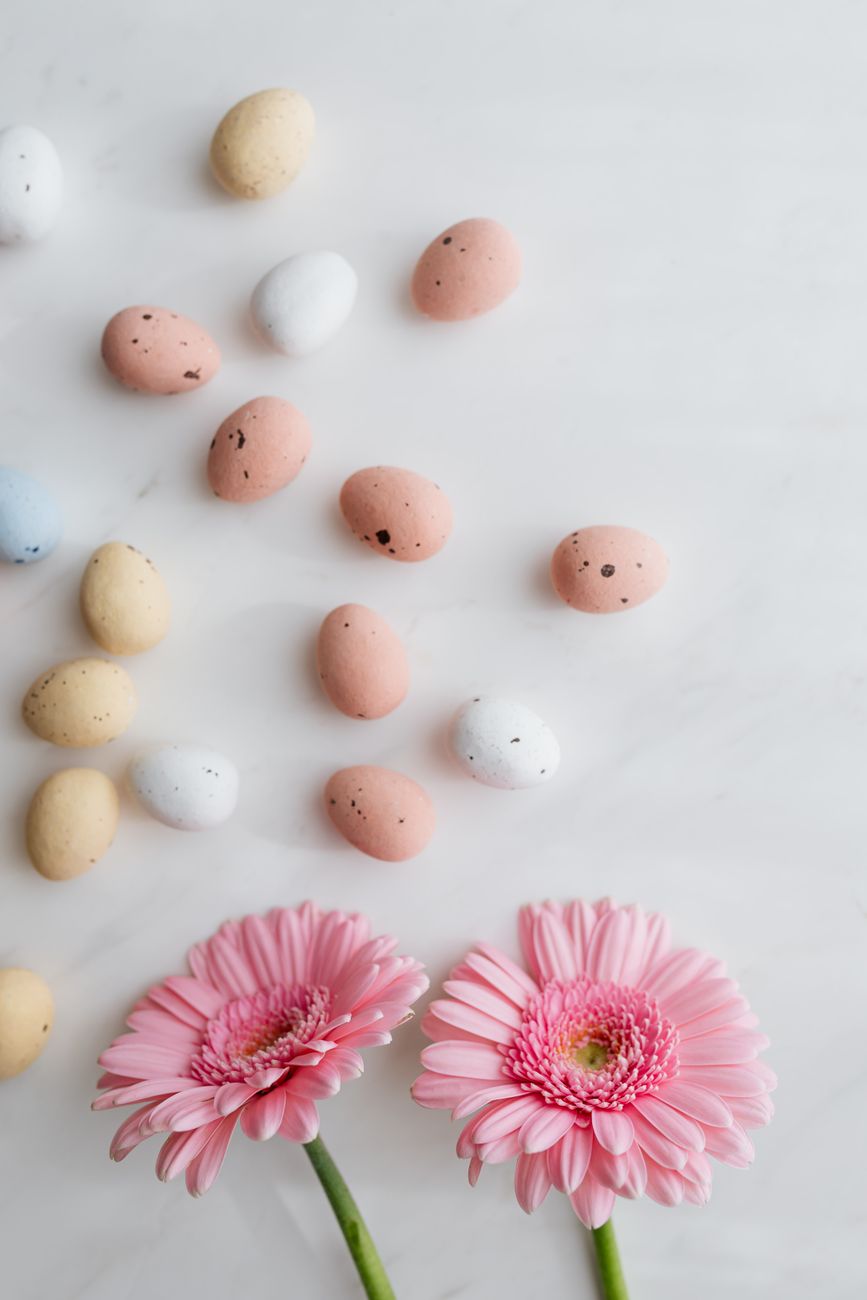
This day is all about renewal, nature, and tradition. Families go out to parks, sit by the Nile, or gather at home. And somehow, in the middle of fresh air and sunshine, you’ll find this very strong-smelling fish at the center of it all.
It sounds like a contradiction.
Spring is light, fresh, colorful.
Fesikh is bold, heavy, intense.
And yet—they belong together.
Because traditions aren’t always logical. They’re inherited.
The Love-It-or-Hate-It Effect
No one is neutral about fesikh.
Some people crave it all year. They wait for this exact moment, defending it passionately:
“It’s not that strong.”
“You just have to eat it the right way.”
“It’s an acquired taste.”
Others? They won’t even come close. The smell alone is enough to make the decision for them.
And that’s what makes fesikh interesting—it’s not just about taste. It’s about identity. Whether you grew up with it, whether your family celebrates it, whether you’re willing to try something that challenges you.
The Real Experience Isn’t the Fish
It’s everything around it.
It’s the gathering.
The jokes about who can handle it and who can’t.
The onions, the lemon, the bread balancing the intensity.
The open windows and the laughter.
Even the reactions—the dramatic “no way” faces and the proud “this is amazing” ones—are part of the tradition.
Because fesikh isn’t meant to be subtle.
It’s meant to be felt.
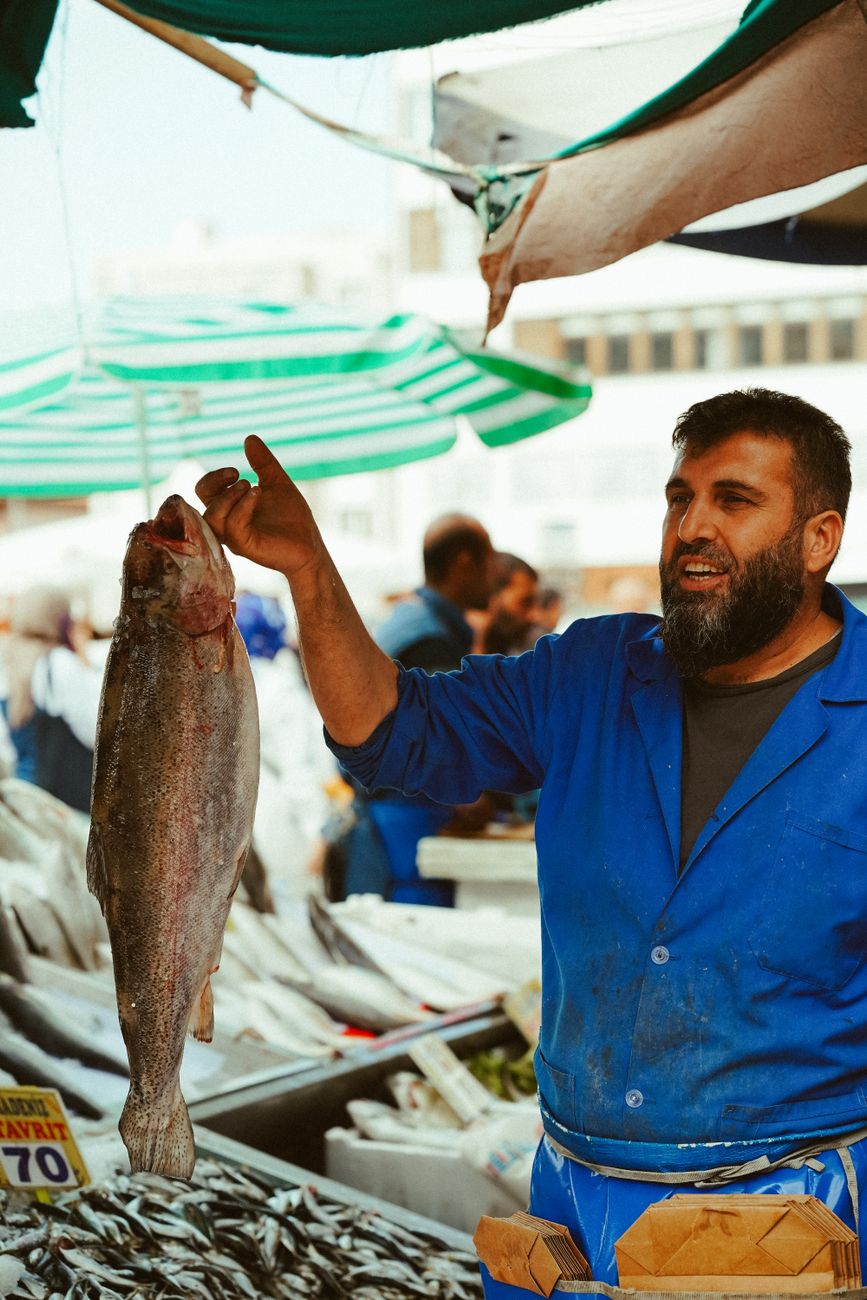
So… Would You Try It?
Fesikh isn’t trying to please everyone.
It doesn’t need to.
It has survived generations, carried through time not because it’s universally loved—but because it means something. It’s tied to a day, a season, a memory. It’s one of those foods that says, “this is who we are.”
And maybe that’s the point.
Some foods are made to impress.
Others are made to belong.
Fesikh?
It definitely belongs.