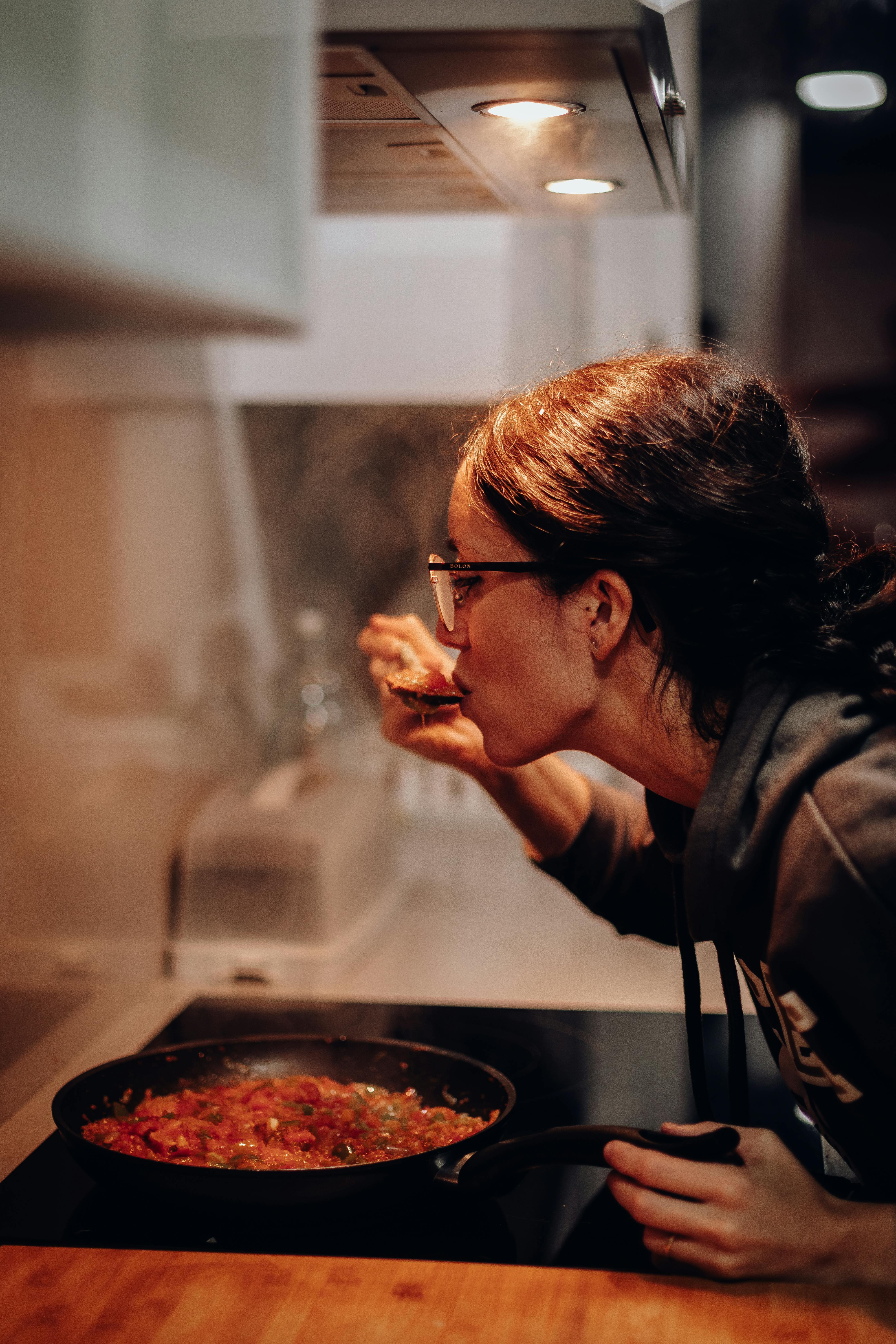
Why Certain Smells Make Us Instantaneously Hungry
Our sense of smell is the only sense directly linked to the limbic system the part of the brain responsible for emotion and memory. This is why a single whiff of a specific aroma can trigger intense cravings before you've even seen a plate of food.
Here are the most powerful scents that stimulate the "hunger hormone" (ghrelin) and why they work.
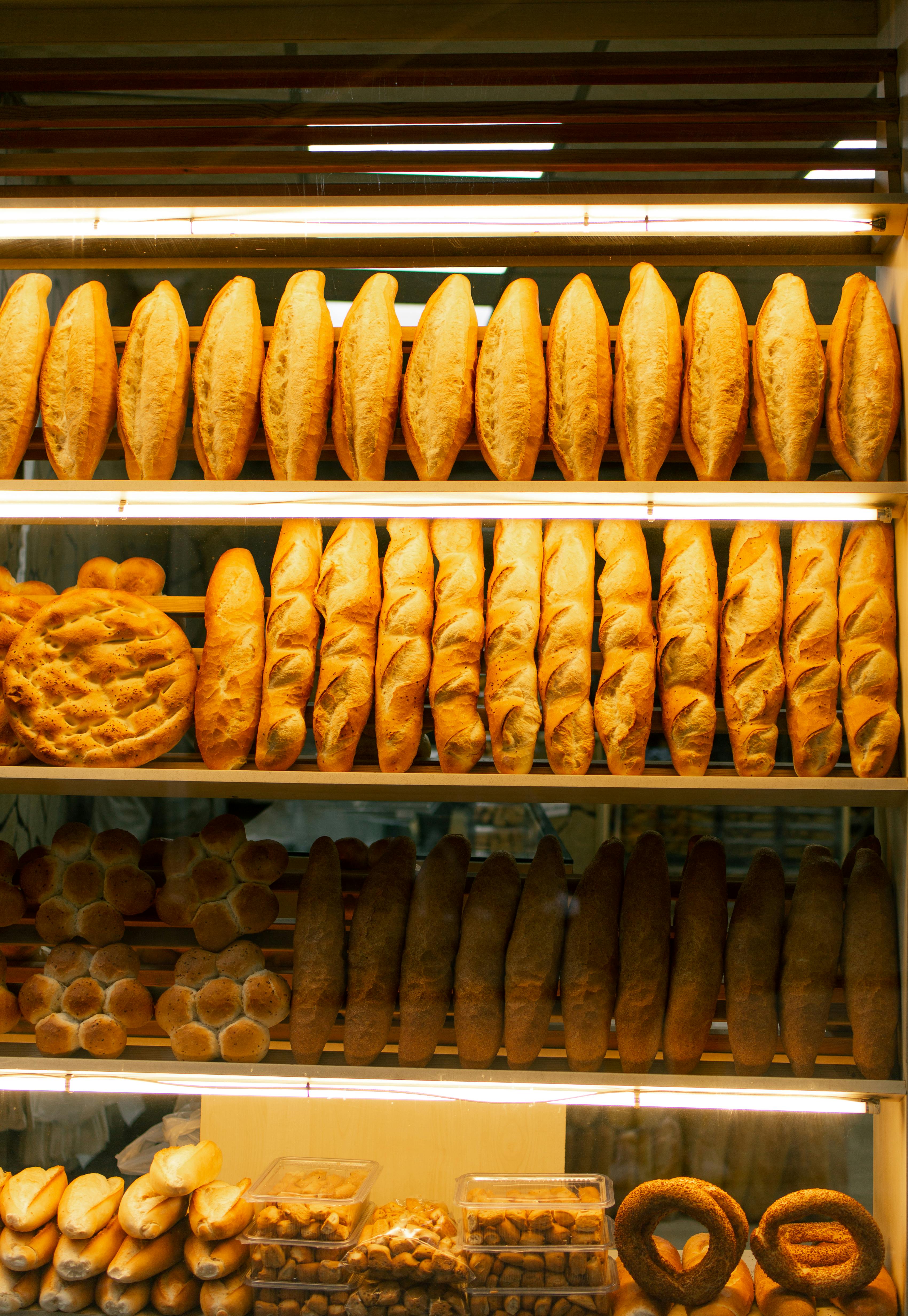
1. Freshly Baked Bread
The smell of yeast, sugar, and flour reacting to heat is universally irresistible. This aroma signals high-energy carbohydrates, which our brains are evolutionarily programmed to seek out.
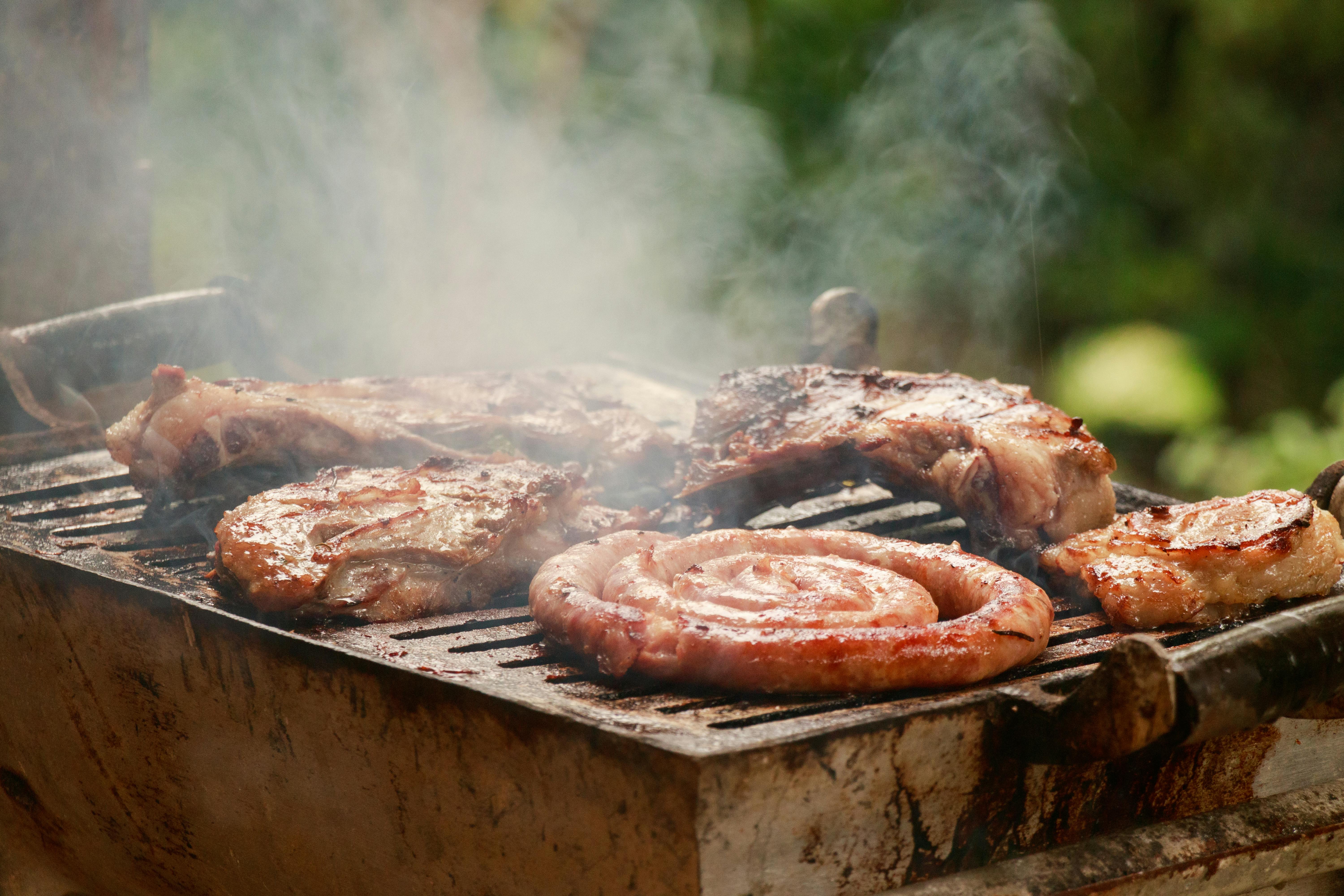
2. Sizzling Grilled Meats
The Maillard Reaction occurs when amino acids and reducing sugars transform under high heat. This chemical process creates hundreds of different flavor compounds. To our ancestors, this scent signaled protein-dense, cooked (and therefore safer) food.
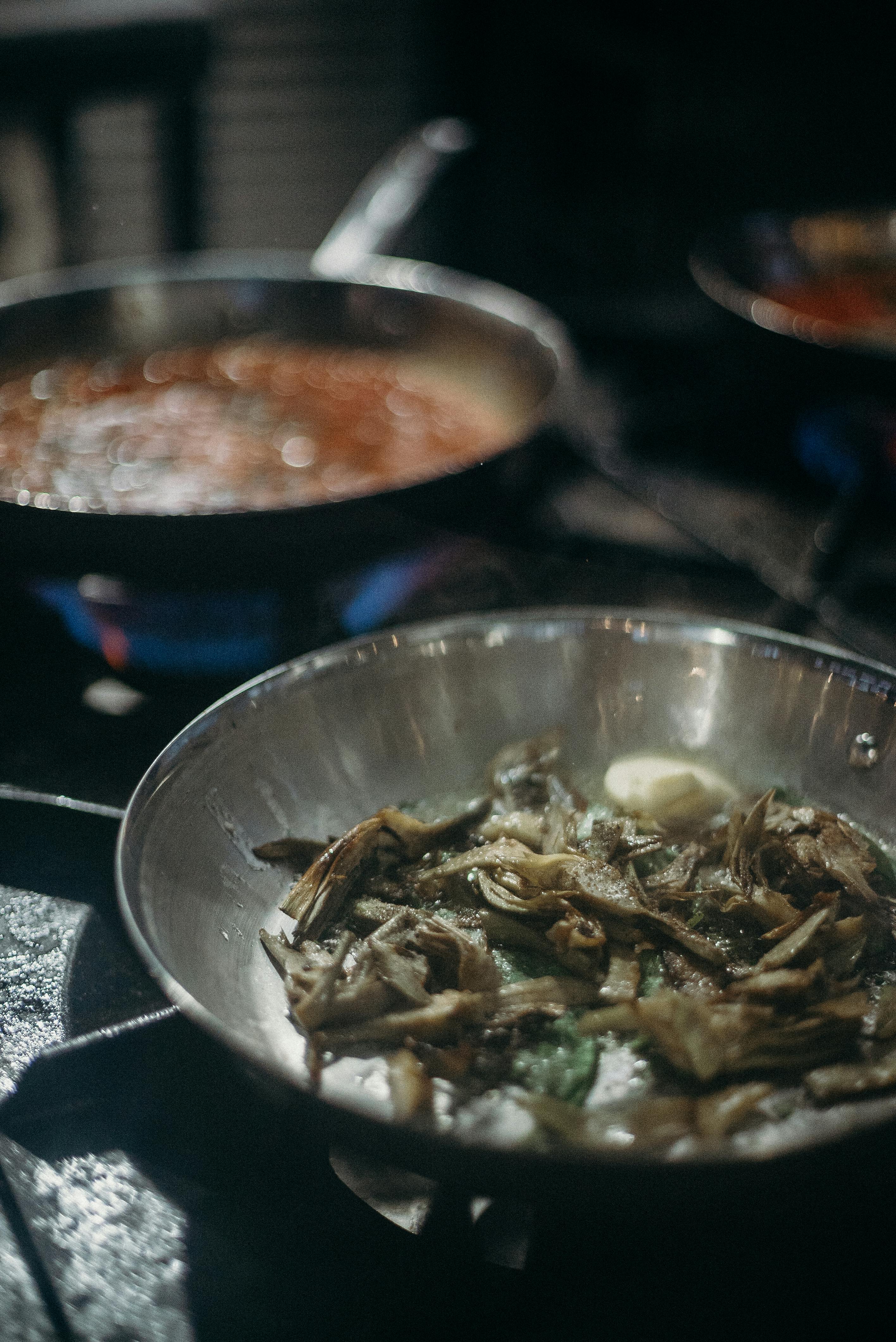
3. Sautéing Onions and Garlic
Onions and garlic contain sulfur compounds that, when broken down in oil or butter, create a savory base that signals a meal is in progress. This "aromatic base" is the foundation of almost every major cuisine, making it a cross cultural hunger trigger.
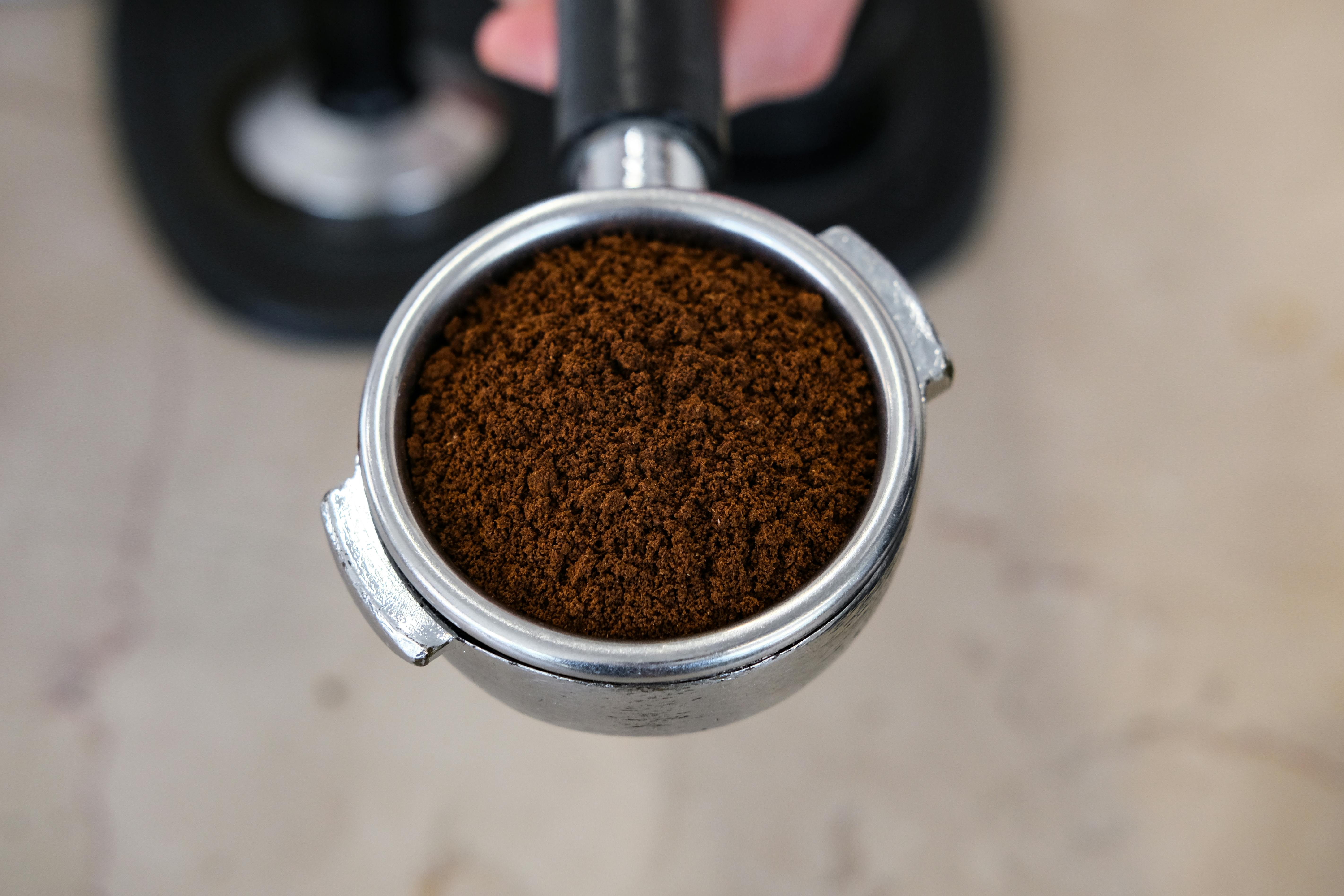
4. Freshly Ground Coffee
Coffee is one of the few scents that people often enjoy more than the taste itself. The complex volatile compounds in roasted beans stimulate the central nervous system, waking up both your brain and your digestive tract.
5. Cinnamon and Vanilla
These "warm" spices are deeply tied to psychological comfort. Because they are almost exclusively associated with baked goods and desserts, smelling them triggers an immediate expectation of a glucose-driven reward.

The "Cephalic Phase" Response
When you smell these foods, your body enters the "cephalic phase" of digestion. Your brain tells your mouth to produce saliva and your stomach to secrete acid. Essentially, your body starts "eating" the food before the first bite ever reaches your tongue.
Next time you find yourself suddenly starving while walking past a bakery, remember: it’s not just lack of willpower, it’s biology.


