Same Food, Different Opinions: Taste Buds or Personality?
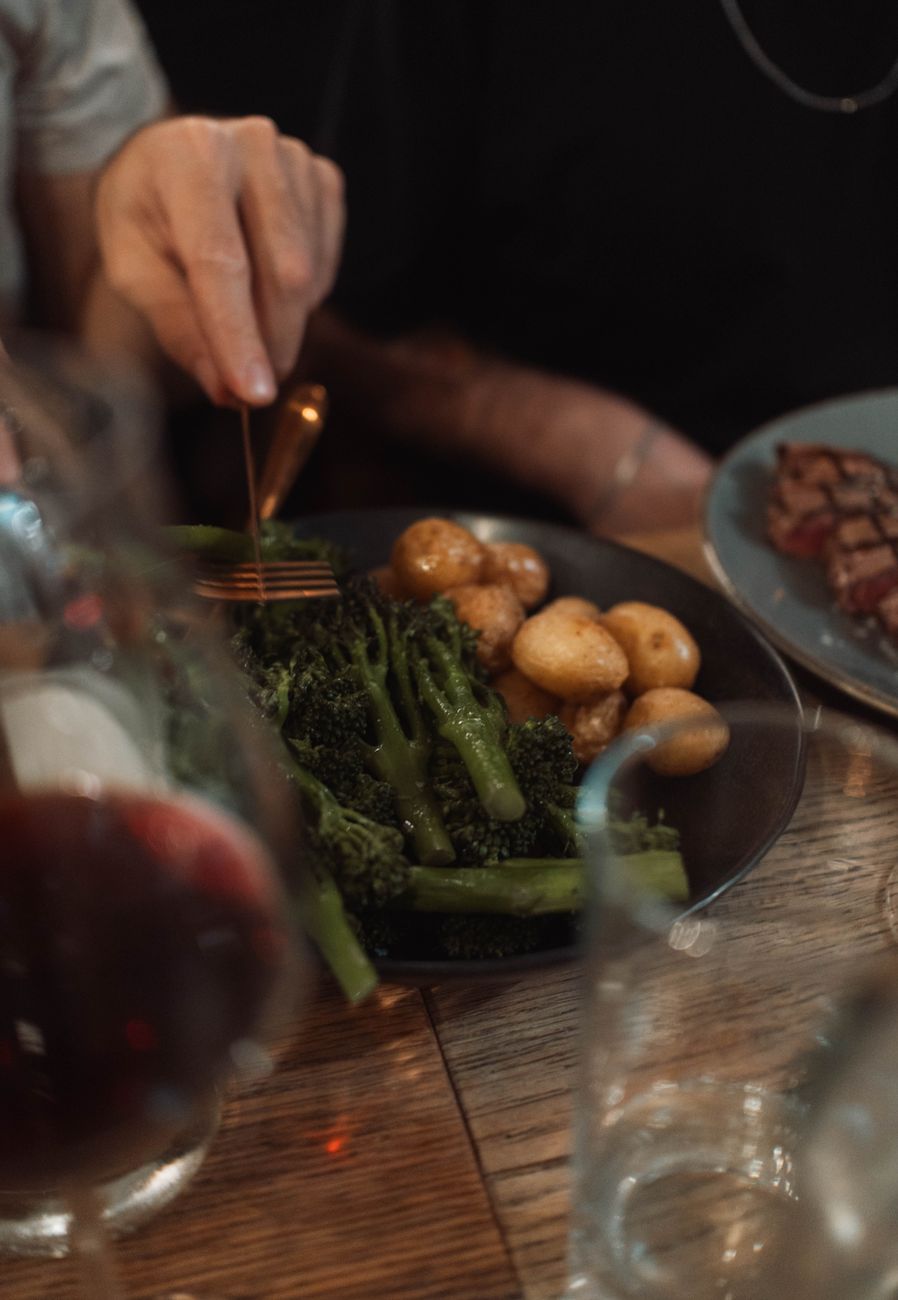
How can one dish be described as “the best thing ever” by someone, and “absolutely not” by someone else? It happens all the time. One bite, one plate, one moment—but completely different opinions. So what’s really behind that?
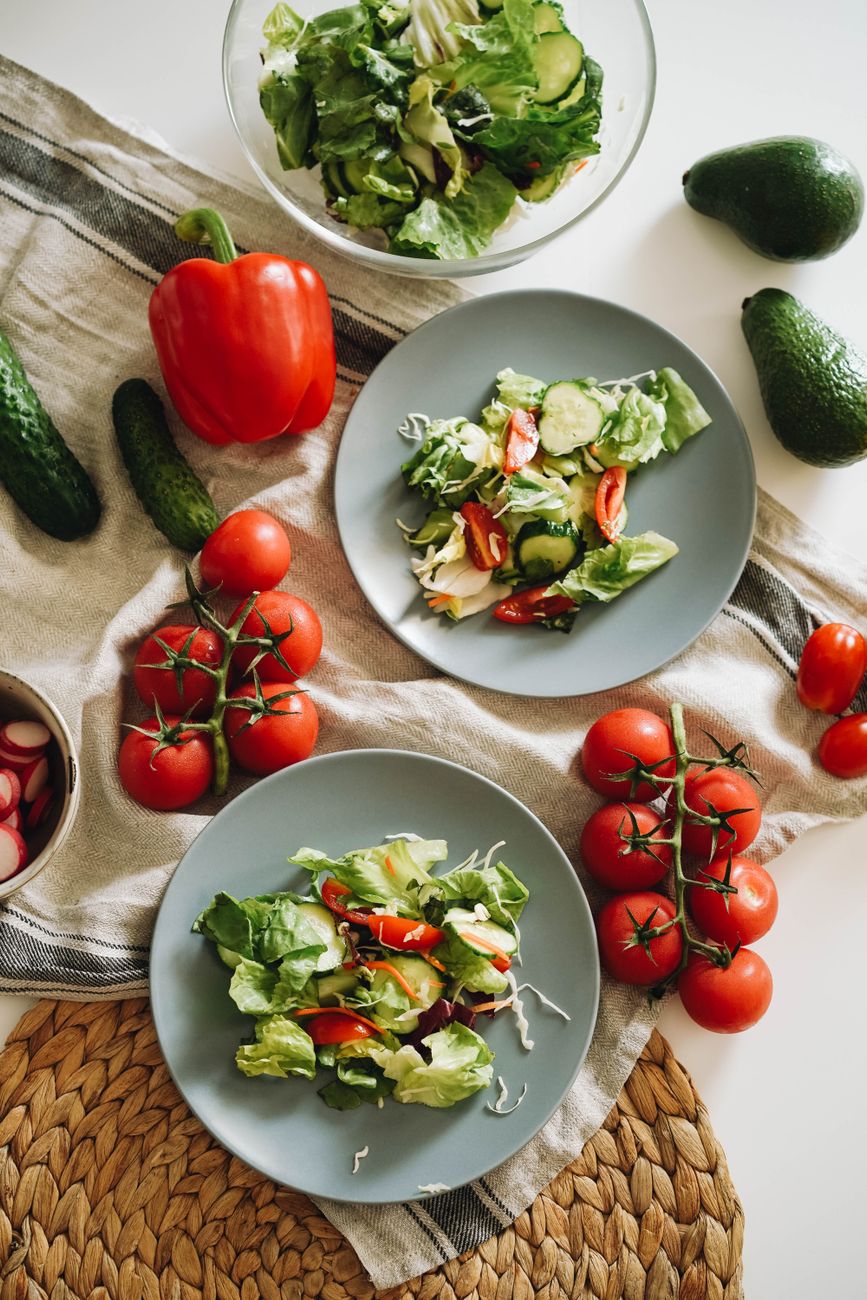
At first glance, it seems like the answer is simple: taste buds. Biology definitely plays a role. Some people are naturally more sensitive to sweetness, while others pick up bitterness more strongly. There are even “super tasters” who experience flavors in a much more intense way than others. For them, something as simple as dark chocolate or black coffee might feel overwhelming, while others find it rich and satisfying. Spice tolerance also varies widely—what feels like a mild kick to one person can be unbearable heat to another.
But taste buds are only part of the story.
Personality has a surprising influence on how we experience food. People who are more adventurous by nature often enjoy bold, unfamiliar, or even challenging flavors. They’re the ones excited to try fusion dishes, street food in new countries, or anything labeled “chef’s special.” On the other hand, those who value comfort and routine might gravitate toward familiar meals—dishes they know they’ll enjoy without any risk. It’s not about being “boring” or “brave,” it’s just different ways of experiencing the world.
Then comes the emotional side of food, which is just as powerful. Food is deeply connected to memory. A certain dish might remind someone of home, family gatherings, or a specific moment in their life. That emotional connection can instantly make the food feel comforting and “delicious,” even if someone else tasting the exact same dish feels nothing special. At the same time, a negative memory associated with a flavor or ingredient can completely turn someone off, no matter how well the dish is prepared.
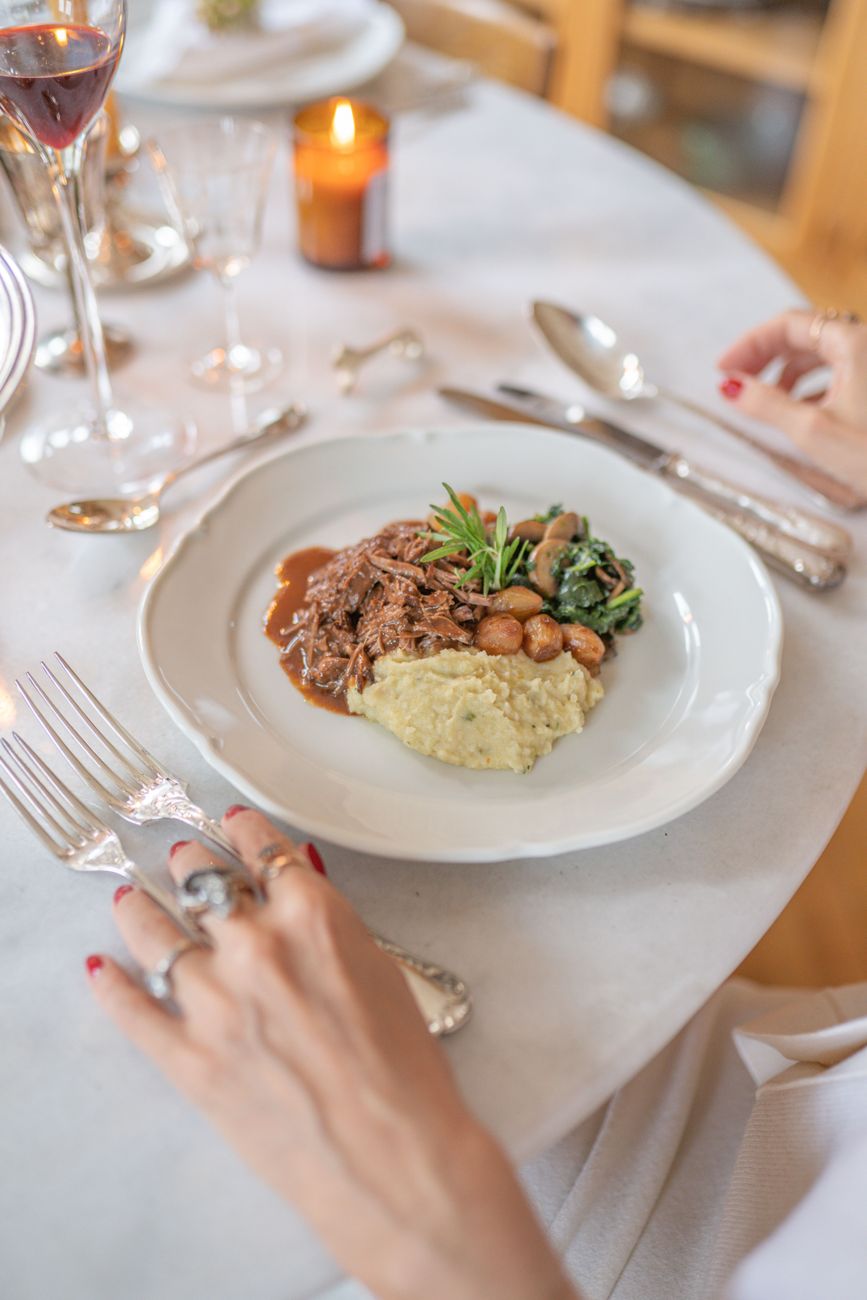
Context also matters more than we realize. The setting, the people around us, even the time of day can shape how we perceive a meal. A dish eaten at a cozy dinner with friends might feel incredible, while the same dish eaten in a rush or under stress might feel underwhelming. Expectations play a role too—if you’re told a dish is “amazing,” you might approach it with excitement. If it doesn’t meet that expectation, disappointment follows. But if you go in with no expectations, you might end up pleasantly surprised.
Culture adds yet another layer. What’s considered a delicacy in one culture might be unfamiliar—or even unappealing—in another. Our preferences are shaped over time by what we grow up eating, what we’re exposed to, and what feels “normal” to us. That’s why food can be such a powerful way to understand different perspectives—it literally puts you in someone else’s experience.
In the end, food is never just about flavor. It’s a mix of biology, personality, memory, culture, and moment. That’s what makes it so unpredictable—and so interesting.

So when people react differently to the same dish, it’s not just disagreement—it’s perspective. Each reaction tells a story about the person tasting it. And maybe that’s the best part. Because when you put different people in front of the same plate, you don’t just get different opinions—you get a whole spectrum of experiences, each one as valid and real as the next.