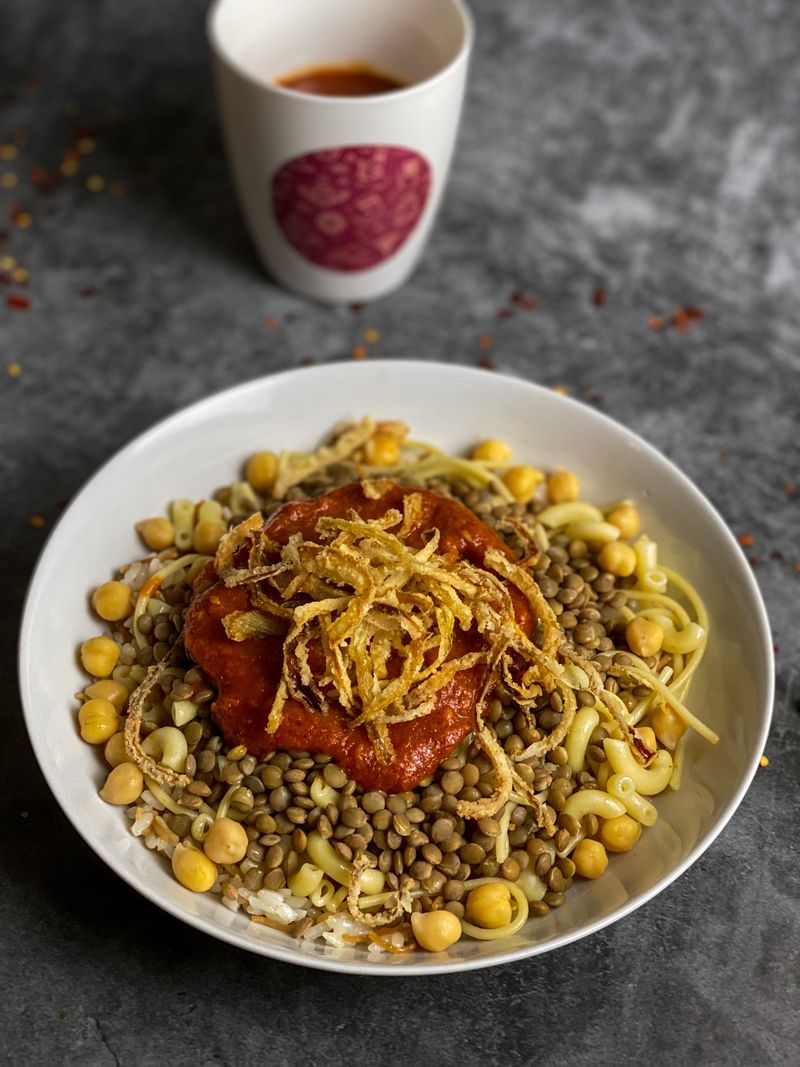
The Fascinating Science of How What You Eat Affects How You Feel
We’ve all been there: reaching for a pint of ice cream after a rough day, or feeling that sudden, irritable wave of "hangry" when lunch is delayed. We’ve always known intuitively that food and emotions are linked.
But modern science is revealing that this connection goes much deeper than just emotional comfort eating. The food you put on your plate actually changes the chemistry of your brain.
Here is a look at the fascinating science of the food-mood connection and how you can eat your way to a happier day.
1. The "Second Brain" in Your Gut
Did you know you have a second brain? It’s called the enteric nervous system, and it lines your entire gastrointestinal tract.
What’s even more mind-blowing is the connection to serotonin—the neurotransmitter responsible for regulating sleep, appetite, and, most importantly, inhibiting pain and balancing mood.
The Gut-Brain Fact: An estimated 90% to 95% of your body's serotonin receptors are located in your gut.
Your gut is filled with billions of "good" bacteria that keep your digestive system running smoothly. When you eat a diet rich in whole foods, you feed those good bacteria. They, in turn, communicate directly with your brain via the vagus nerve, sending signals that promote a stable, positive mood. Eat too much processed junk, and the bad bacteria take over, sending signals of inflammation and distress to your brain.
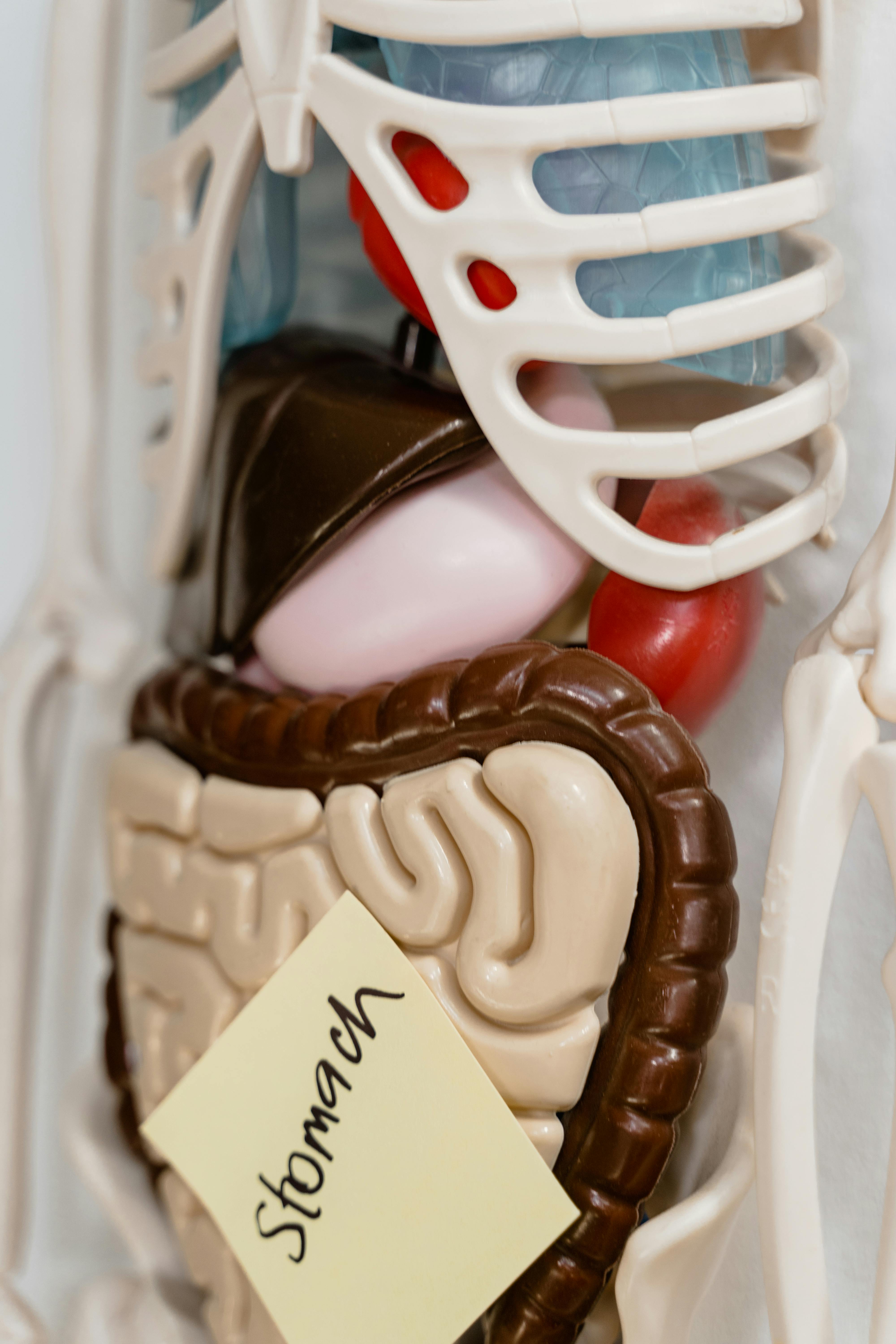
2. The Sugar Rollercoaster and Anxiety
We often reach for sugary treats or refined carbs (like pastries, chips, or white bread) when we need a pick-me-up. While a hit of sugar triggers a temporary release of the feel-good chemical dopamine, it comes at a cost.
The Spike: Your blood sugar skyrockets, giving you a brief burst of energy.
The Crash: Your body releases insulin to handle the sugar, causing your blood glucose levels to plummet.
This rapid crash triggers the release of stress hormones like cortisol and adrenaline. The result? You don't just feel physically tired; you feel anxious, irritable, and mentally foggy.
Simple Swaps for a Happier Mind
You don’t need to completely overhaul your diet overnight to start feeling the benefits. Try making these simple, mood-boosting food swaps:
Instead of a sugary morning pastry... Try oatmeal topped with walnuts and berries.
Instead of milk chocolate... Try a square of 70% (or higher) dark chocolate.
Instead of a soda or energy drink... Try kombucha or green tea (which contains L-theanine to calm the mind).

The Bottom Line
Your brain is an expensive organ to run—it demands constant fuel, and it cares deeply about the quality of that fuel. By shifting your focus from "counting calories" to "nourishing your mind," you can use your meals as a powerful, natural tool to reduce anxiety, beat the blues, and unlock a more vibrant, energized version of yourself.