Why Texture Is the Secret to Mind Blowing Meals
When we think about a great meal, our minds usually jump straight to taste. We talk about the zest of a lemon, the heat of a pepper, or the rich sweetness of chocolate.
But there is a silent partner in every bite you take that arguably holds just as much power over your brain: texture.
Food scientists call it "mouthfeel," and it is the physical sensation of food in your mouth. If you’ve ever gagged on an overcooked, mushy mushroom or found yourself unable to stop eating a bag of potato chips, you haven't been reacting to the flavor—you’ve been reacting to the architecture of the food.
1. Why Our Brains Obsess Over "The Crunch"
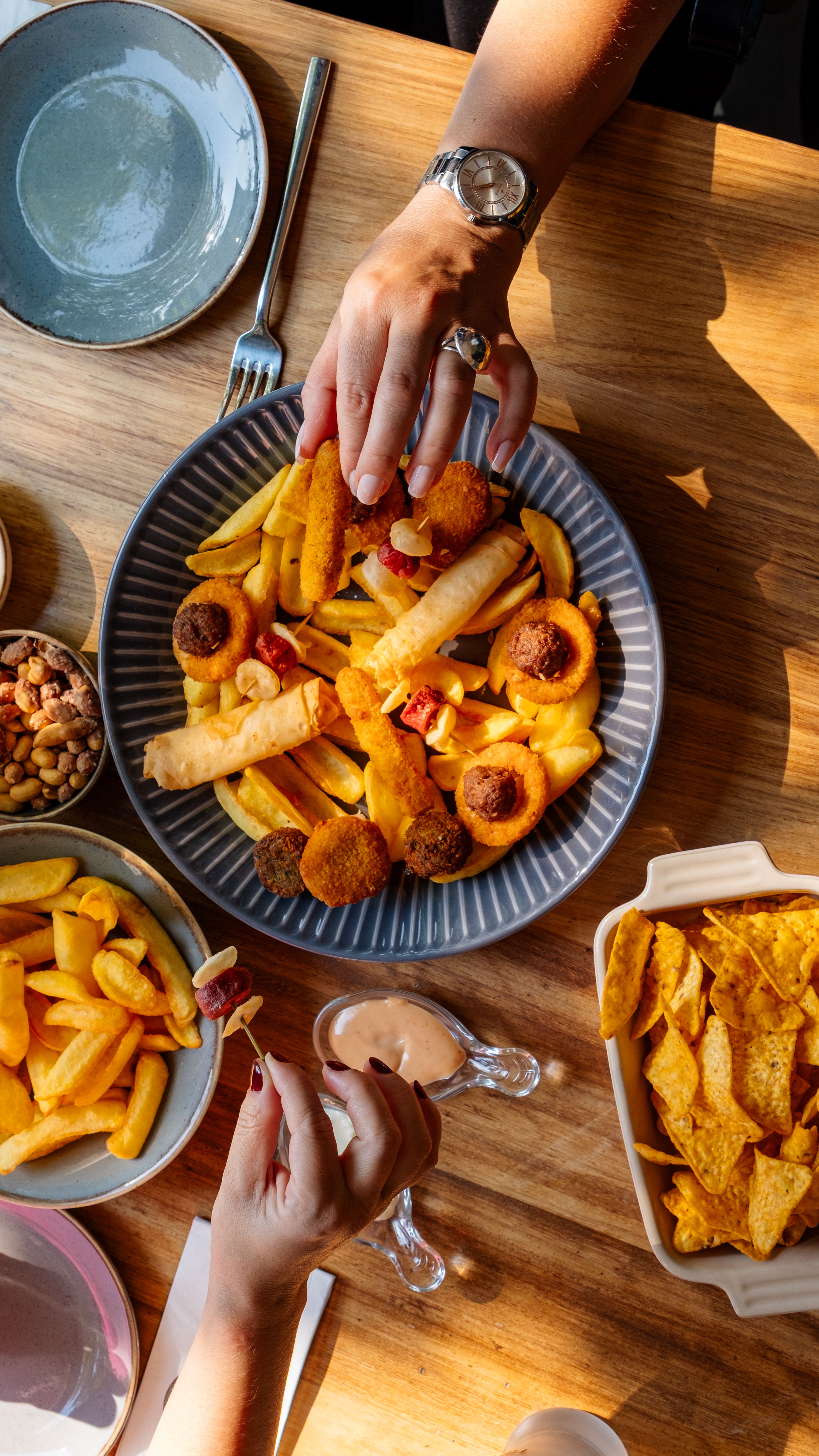
Have you ever wondered why we are so deeply addicted to crispy, crunchy foods? Think of potato chips, fried chicken, or fresh apples.
It turns out, humans are hardwired to love the sound of a crunch. In evolutionary terms, a loud, crisp sound told our ancestors that a plant was fresh and full of moisture, rather than rotting and soft.
Furthermore, crunching creates sensory data that travels up your jawbone directly to your inner ear. When you eat something loud, your brain releases a tiny burst of dopamine. It’s an interactive experience; the food is actively responding to your bite.
2. Sensory Specific Satiety (Or: Why We Hate Monotony)
Have you ever eaten a massive bowl of smooth, velvety mashed potatoes? They taste amazing for the first five bites. But by bite fifteen, you’re usually bored.
This is due to a neurological phenomenon known as sensory specific satiety. Your brain gets tired of processing the exact same physical sensation over and over again. Food companies know this, which is why the most successful snack foods on earth are engineered to avoid it.
To keep a dish exciting from the first bite to the last, chefs rely on a balance of opposing structural traits.
Texture TypeWhat It Does to Your BrainBest Practice ComboCrispy / CrunchySignals freshness; releases high-frequency sound waves that stimulate interest.Add toasted nuts on top of a soft, roasted vegetable purée.Creamy / SmoothSignals high caloric density and comfort; coats the palate nicely.Pair a rich, velvety cheesecake with a gritty, buttery graham cracker crust.Chewy / ElasticLengthens the time food spends in your mouth, allowing flavors to develop fully over time.Put a perfectly tender, slightly resistant boba pearl into smooth, milky tea.

3. How to Level Up Your Cooking with Texture
If your home-cooked meals feel like they are missing a certain je ne sais quoi, stop adding salt and start adding contrast. Think about your meals in layers.
Next time you cook, look at your plate and ask yourself: Does everything here have the same density?
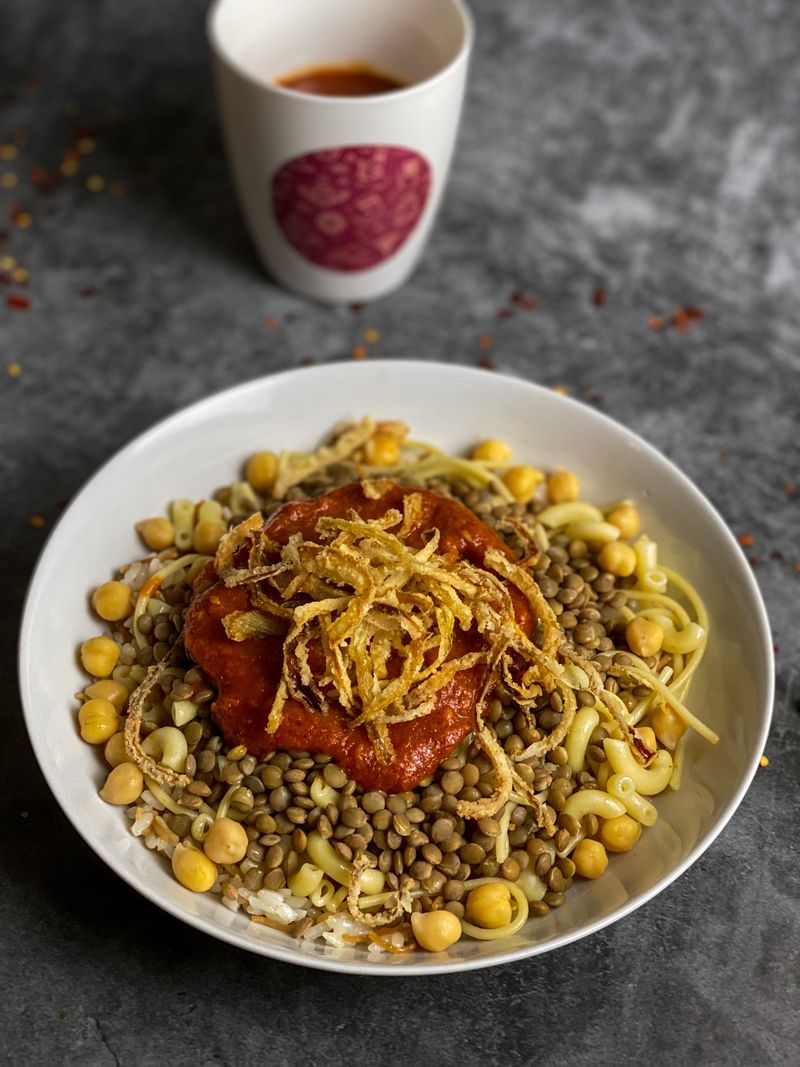
The Quick Fix: If you’re serving a soft dish like a stew, pasta, or soup, always add a "finishing texture." A handful of crispy croutons, a sprinkle of toasted panko breadcrumbs, or a scattering of raw, finely diced red onion can completely transform a monotonous meal into a restaurant-quality experience.