Food Is Mood: Can What You Eat Change How You Feel?
Sometimes, food just feels like the answer. And while a delicious meal can’t magically fix a bad day, there’s actually more to the connection between food and mood than we might think.
So, is “Food Is Mood” more than just a catchy phrase? Let’s dig in.

Why Does Food Make Us Feel Good?
Eating is one of life’s simplest pleasures. That first bite of your favorite dish, the smell of something freshly baked, or even hearing the sizzle of food being cooked can instantly make you feel a little better.
Part of that feeling comes from the brain’s reward system. Chemicals like dopamine are involved in pleasure, motivation, and reward, while serotonin plays an important role in regulating mood, sleep, appetite, and digestion.
But it’s not as simple as saying, “Eat this, get happy.”
Our mood is influenced by many things, and food is just one piece of the puzzle.
Your Gut Might Have Something to Say

Here’s where things get interesting.
Your brain and your gut are in constant communication, often referred to as the gut-brain connection. What happens in your digestive system can influence how you feel, and what you eat can affect the environment inside your gut.
In fact, most of the body’s serotonin is found in the digestive tract—not the brain.
That doesn’t mean eating a certain food will instantly flood your body with happiness. But it does show just how closely food, digestion, and mood are connected.
Your stomach might not have a mind of its own, but apparently, it has opinions.

So, What Foods Are Mood-Friendly?
There’s no official “happy food” menu, but a balanced diet can provide nutrients that support the brain and overall wellbeing.
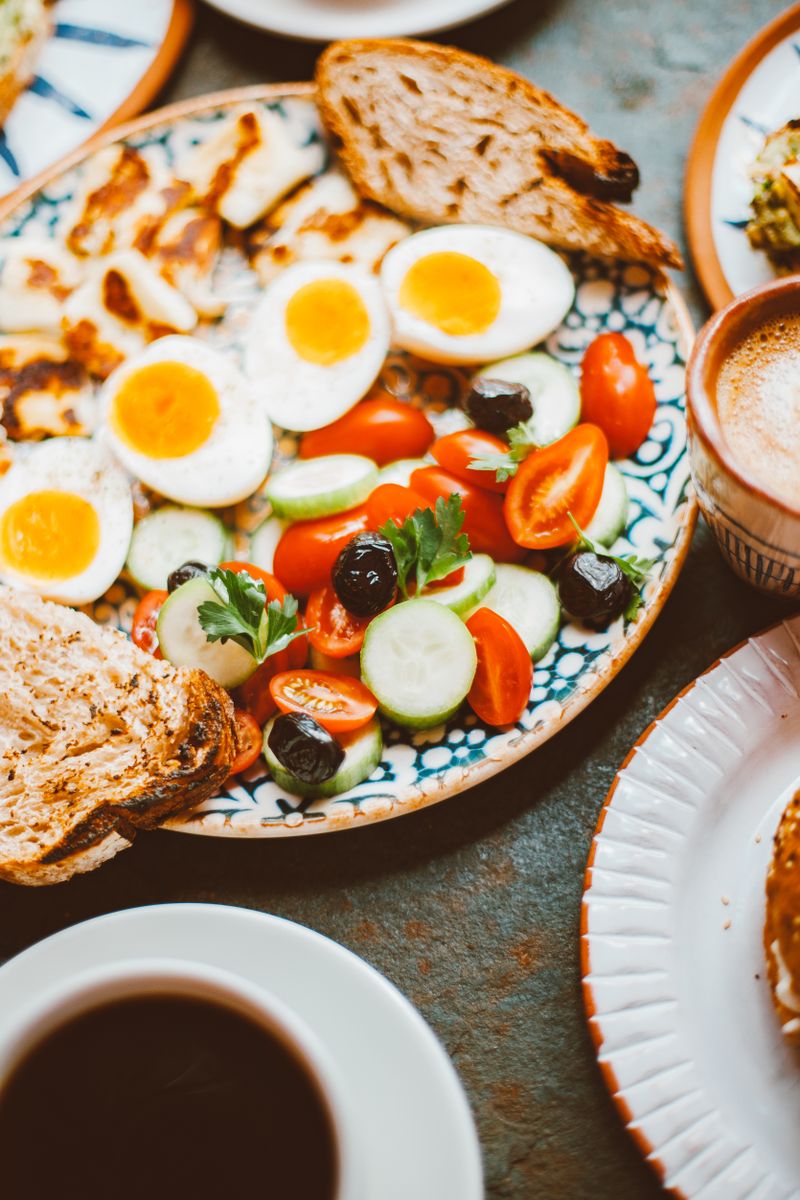
Foods containing protein, whole grains, fruits, vegetables, healthy fats, and fiber are all part of a balanced approach to eating. Foods such as eggs, fish, nuts, legumes, whole grains, colorful fruits and vegetables, and yogurt can provide nutrients involved in processes related to mood and brain function.
And yes, chocolate can still have its moment.
The key is not to label one food as a miracle mood booster, but to think about the bigger picture of what we eat regularly.
But What About Comfort Food?

Now we’re getting to the fun part.
Why does your mom’s homemade pasta taste better when you’ve had a terrible day?
Why does a certain dessert remind you of childhood?
Why can one bite of a familiar dish take you straight back to a family gathering?
Because food isn’t just about nutrition.
It’s connected to memories, places, people, celebrations, and emotions. Sometimes, the comfort we get from food comes from the experience surrounding it—not just what’s on the plate.
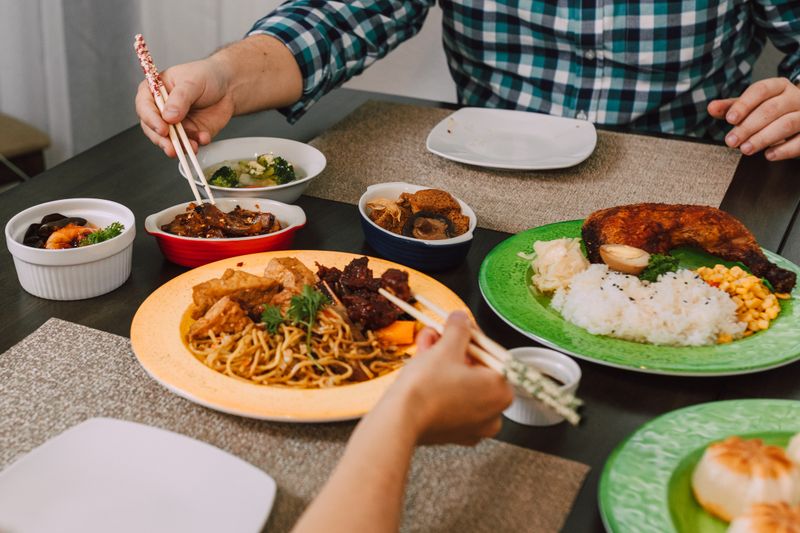
A warm meal shared with friends can feel completely different from eating the same meal alone. The atmosphere, the conversation, the smell, and even the memories attached to it can all become part of the experience.
Food Is More Than Fuel

We often think about food in terms of calories, ingredients, or nutrition labels.
But food can also be an experience.
It can be the reason friends meet after a long week. The centerpiece of a family gathering. The dish you order when you want to celebrate. Or that one meal you crave when you simply need a little comfort.
So, can food change your mood?
Absolutely—but probably not in the way you think.

It’s not about finding one magical dish that makes everything better. It’s about how what we eat supports our bodies, how certain foods make us feel, and how the experience of eating connects us to the people and memories we love.
Because sometimes, a good meal really can make a good day better.
And on a bad day?
Well… maybe it’s time to order your favorite.
Food is mood, after all. 🍴✨