Maqluba: The Palestinian Dish That’s All About the Flip
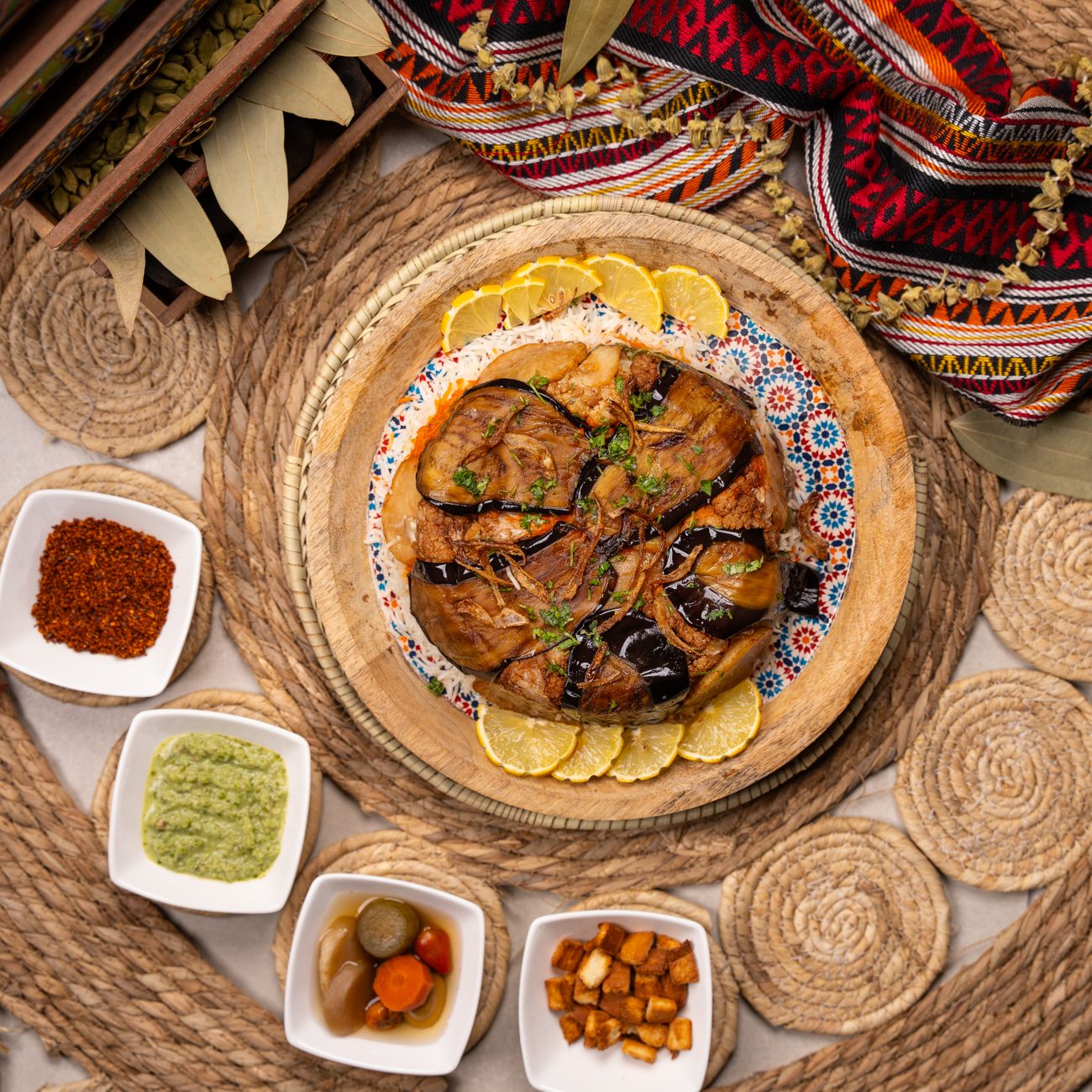
A traditional Palestinian dish loved across the Arab world, Maqluba literally means “upside down.” And the name says it all. After layers of rice, vegetables, and meat or chicken are carefully cooked together, the entire pot is flipped onto a large serving plate in one dramatic moment. If everything goes right, you’re left with a beautiful golden tower of rice, vegetables, and perfectly cooked meat.
And yes, the flip is probably the most stressful—and most satisfying—part.
More Than Just a Meal
Maqluba is the kind of dish that rarely shows up for just one person. It’s made for family gatherings, weekend lunches, celebrations, and those long meals where everyone sits around the table a little longer than planned.
Every family seems to have its own way of making it. Some prefer eggplant, while others swear by cauliflower. Some make it with chicken, others with tender pieces of lamb or beef. The spices might change, the vegetables might change, but the idea stays the same: layers of ingredients cooked together until all the flavors come together in one comforting dish.
That’s what makes Maqluba so special. There isn’t always one “right” way to make it. Sometimes, the best version is simply the one that tastes like home.
The Art of the Flip
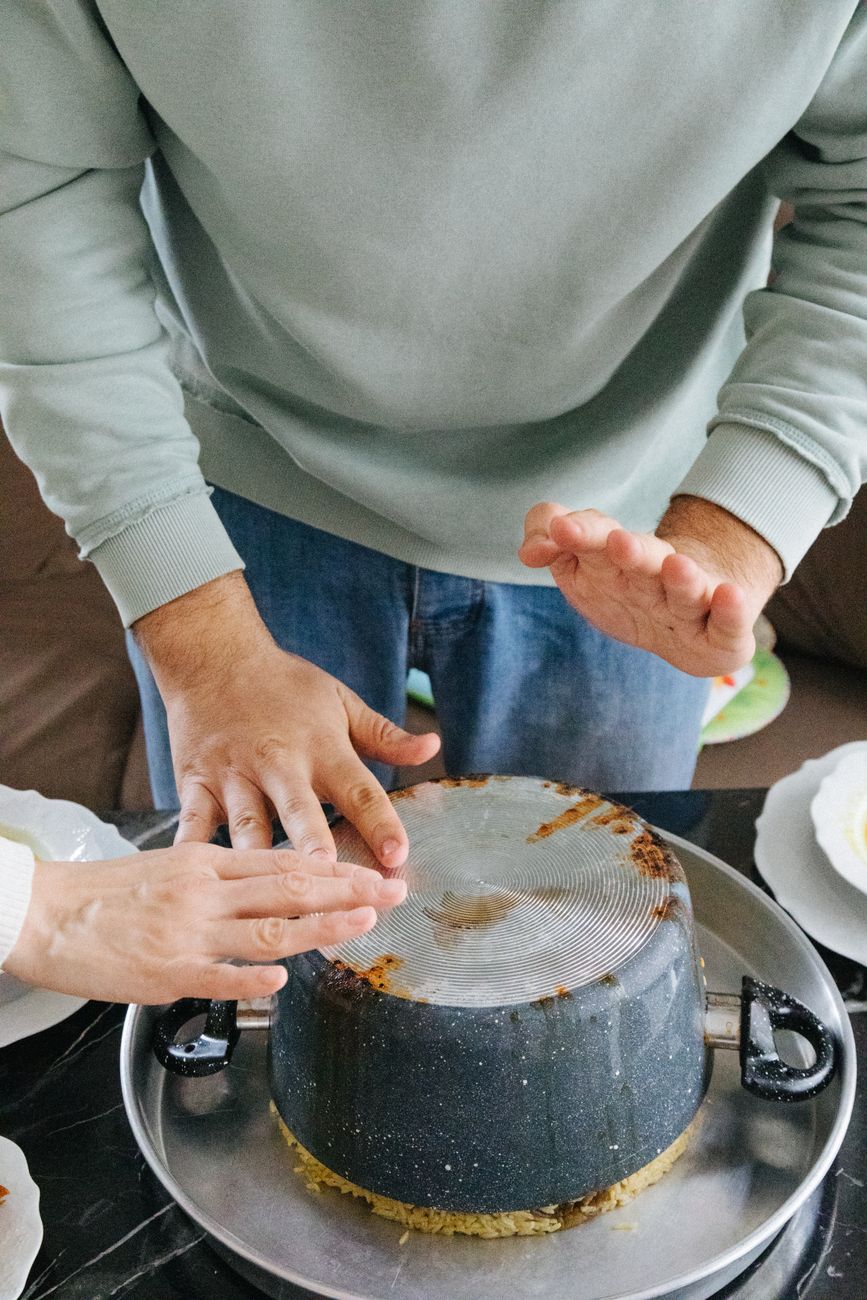
Making Maqluba takes patience. The vegetables are usually fried or roasted first, the meat is cooked until tender, and then everything is carefully layered with rice inside the pot.
But the real moment comes when it’s time to serve.
The pot is placed upside down on the serving plate, and then comes the big reveal. One quick flip, a few seconds of suspense, and the pot is lifted.
Will it hold its shape?
When it does, the result is more than just a meal—it’s a centerpiece.
The golden rice sits beautifully on top, surrounded by layers of vegetables and meat, usually served with a side of fresh salad, yogurt, or a refreshing cucumber sauce.
A Taste of Palestinian Culture
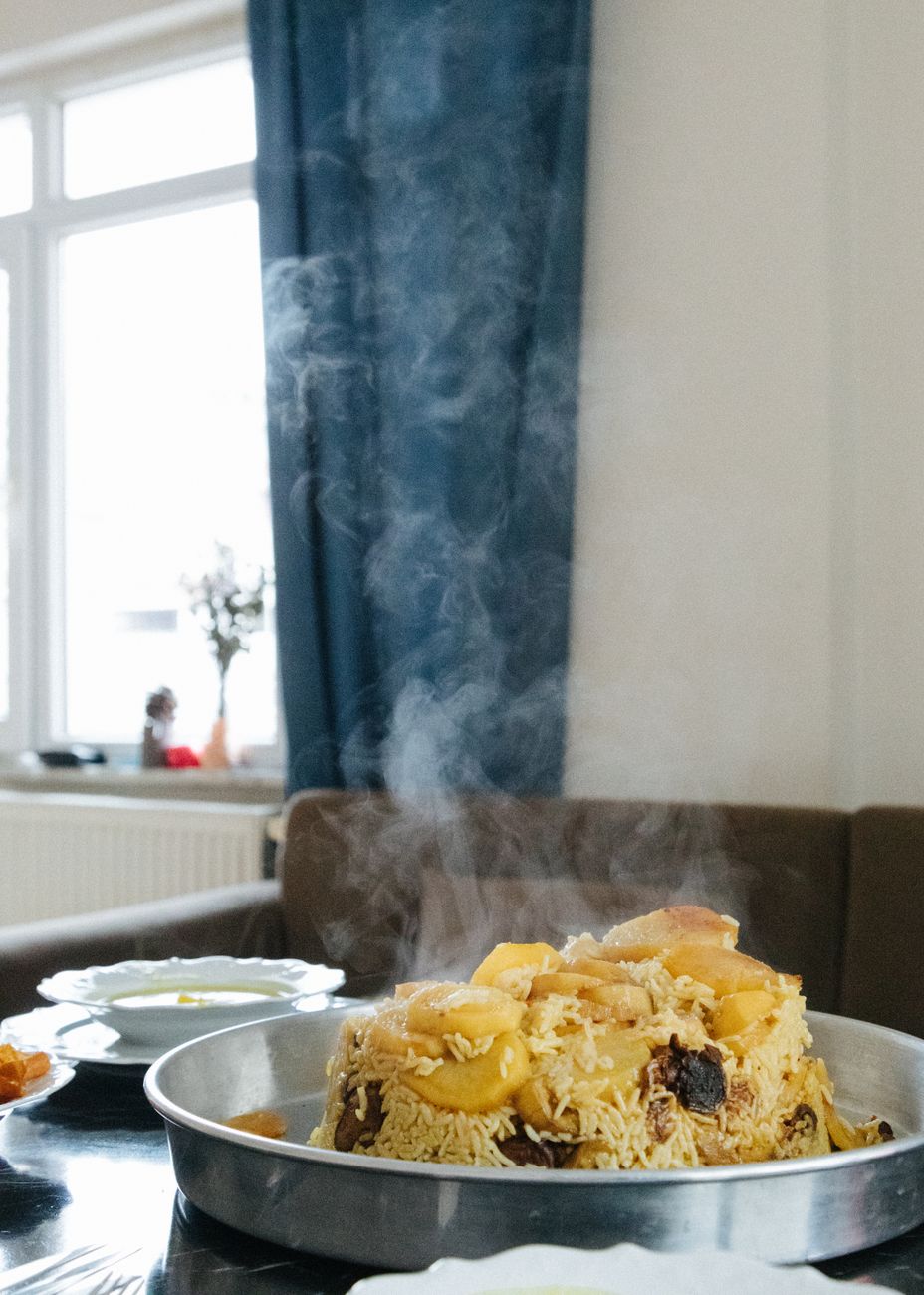
For many Palestinians, Maqluba is connected to much more than its ingredients. It’s connected to family, hospitality, and the tradition of gathering around food.
It’s the kind of dish that brings people to the table and makes a simple lunch feel like an occasion. And perhaps that’s why, despite its simple concept, Maqluba has remained such a beloved part of Palestinian cuisine.
So, the next time you see a steaming pot of Maqluba being carried to the table, remember: the best part might not be the first bite.
It might be the moment when the pot turns upside down—and somehow, everything comes together perfectly.