Cloud Kitchens? The Restaurants You Can't Walk Into
What if your favorite restaurant had no dining room, no tables, and no traditional storefront? What if the entire business operated from a kitchen designed specifically for preparing delivery orders? Welcome to the world of cloud kitchens.
A Restaurant Without a Dining Room?
For years, opening a restaurant usually meant finding a location, designing an attractive dining space, hiring service staff, and creating an environment where customers could enjoy their meals.
But the food industry has been changing.
As online ordering and food delivery become increasingly important parts of everyday life, a different restaurant model has gained attention: the cloud kitchen.
Also known as a ghost kitchen or virtual kitchen, a cloud kitchen is a food preparation facility designed primarily for fulfilling delivery orders.
Unlike traditional restaurants, these businesses generally don't depend on customers visiting a dining area.
Their main focus is preparing food efficiently and making it available through delivery channels.
For customers, the experience can feel familiar. They browse a menu, choose a meal, place an order, and wait for delivery.
But behind the scenes, the business operates differently.

How Does a Cloud Kitchen Actually Work?
The basic concept is simple.
A cloud kitchen operates from a commercial food preparation space without the traditional customer-facing restaurant setup.
Customers discover its food through online channels, such as delivery platforms, websites, or social media.
Once an order is received, the kitchen team prepares the meal, packages it, and arranges it for delivery.
Some cloud kitchens operate a single food brand, while others manage multiple virtual brands from one location.
For example, one kitchen facility might prepare burgers under one brand, pasta under another, and desserts under a third.
These brands may have different menus, identities, and target audiences, even though their operations share the same physical kitchen.
This model can allow businesses to experiment with different food concepts without building a separate traditional restaurant for every brand.
However, operating several brands from one kitchen requires careful planning, inventory management, staff coordination, and quality control.
The success of the model depends on more than having an online menu.

Why Are Cloud Kitchens Becoming Interesting to Food Businesses?
One of the main reasons entrepreneurs explore cloud kitchens is their operating structure.
A traditional restaurant often requires significant investment in customer-facing facilities, interior design, seating arrangements, and service operations.
A delivery-focused kitchen can have a different cost structure because it does not necessarily require these elements.
This can create opportunities for businesses that want to test a food concept or focus on delivery customers.
Cloud kitchens may also offer operational flexibility.
Businesses can experiment with menus, introduce different virtual brands, and adjust their offerings based on customer demand.
For example, an entrepreneur might test whether a specialized sandwich concept attracts customers before investing in a larger restaurant operation.
Another advantage is the ability to focus on specific delivery areas.
A strategically located kitchen may help a business serve customers within a particular geographic zone.
However, lower customer-facing requirements do not automatically mean that cloud kitchens are inexpensive or easy to operate.
Commercial rent, equipment, staff, ingredients, packaging, utilities, marketing, and delivery arrangements still represent important costs.

The Challenges Behind the Convenience
Cloud kitchens may look like a simple business model, but they come with their own challenges.
Building Customer Trust
Traditional restaurants allow customers to experience the atmosphere, service, and food presentation in person.
Delivery-only businesses need to build trust through consistent quality, clear information, customer feedback, and reliable service.
Maintaining Food Quality During Delivery
A meal that tastes excellent in the kitchen may not have the same texture or temperature after spending time in transit.
Packaging and preparation methods therefore become particularly important.
Standing Out Online
Without a physical storefront, cloud kitchens depend heavily on their digital presence.
They need strong brand identities, appealing menus, good photography, and effective marketing to attract customers.
Managing Multiple Brands
Operating several virtual brands from one kitchen can create efficiency, but it also increases operational complexity.
Each brand needs its own positioning, menu strategy, and quality standards.
Delivery Dependence
A delivery-focused business relies on effective order management and delivery operations. Delays, service disruptions, or poor coordination can negatively affect the customer experience
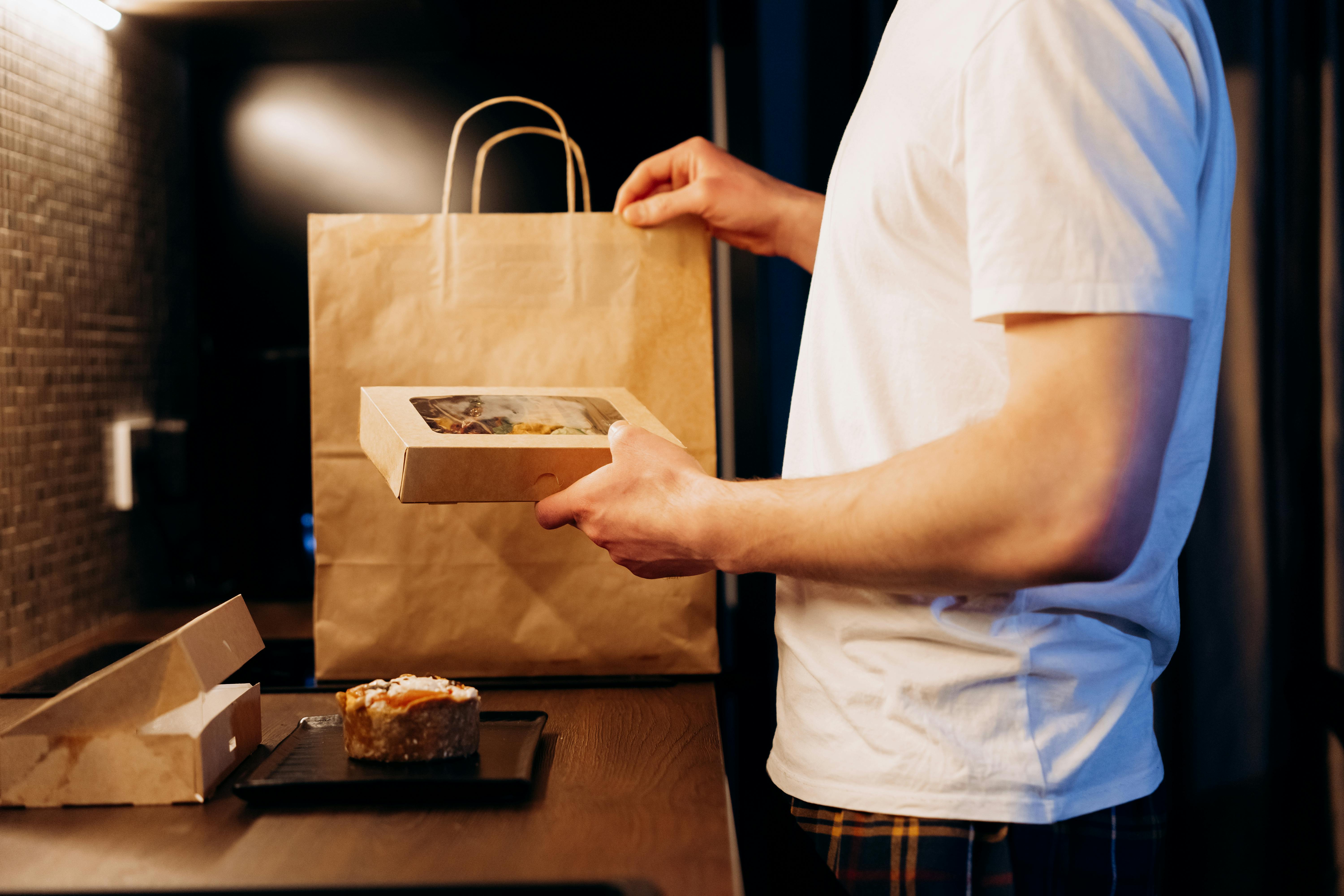
Are Cloud Kitchens Changing the Future of Restaurants?
Cloud kitchens represent one of several ways restaurants are adapting to changing customer habits.
They offer businesses another operating model and provide opportunities to test food concepts in a delivery-focused environment.
However, they are not necessarily replacing traditional restaurants.
People still value dining experiences, social gatherings, restaurant atmospheres, and face-to-face service.
Instead, cloud kitchens are expanding the range of ways food businesses can reach customers.
For consumers, this means discovering food brands that may not have a traditional storefront.
For entrepreneurs, it creates another opportunity to enter the food industry with a different business structure.
As technology and customer expectations continue to evolve, the relationship between restaurants, delivery platforms, and digital discovery will remain an interesting part of the food industry's development.
The next restaurant you discover might not have a front door. Explore the evolving world of food discovery with Pleny.