The Hidden Journey of Your Food From Farm to Fork
Before your favorite meal reaches your plate, its ingredients may have travelled through farms, storage facilities, transportation networks, markets, and restaurant kitchens. Every ingredient has a journey, and understanding that journey reveals just how connected the food industry really is.
Before your favorite meal reaches your plate, its ingredients may have travelled through farms, storage facilities, transportation networks, markets, and restaurant kitchens. Every ingredient has a journey, and understanding that Before your favorite meal reaches your plate, its ingredients may have travelled through farms, storage facilities, transportation networks, markets, and restaurant kitchens. Every ingredient has a journey, and understanding that journey reveals just how connected the food industry really is.
Every Meal Has a Beginning
When you sit down to enjoy a meal, it's easy to focus on the final result.
A fresh salad, a delicious sandwich, or a beautifully prepared main course might look like a simple combination of ingredients.
But where did those ingredients come from?
The vegetables may have been grown on a farm, the meat may have passed through several processing and distribution stages, and the spices may have travelled from a completely different region.
This entire journey is often described through the concept of farm to fork.
It refers to the different stages food passes through before reaching the consumer, from agricultural production to preparation and consumption.
Understanding this journey helps explain why food quality depends on much more than what happens inside a restaurant kitchen.journey reveals just how connected the food industry really is.

From Agricultural Production to Food Processing
The journey often begins with farmers and agricultural producers.
They grow crops, raise livestock, or produce other agricultural ingredients that eventually become part of the food supply.
Several factors can influence the quality and availability of these products.
Weather conditions, soil quality, water availability, agricultural practices, and seasonal changes can all affect production.
Once ingredients are harvested or produced, they may undergo processing depending on the type of food.
Some products are cleaned, sorted, or packaged, while others may be processed into different ingredients used by food manufacturers and restaurants.
For example, fresh tomatoes can be sold directly to restaurants, processed into sauces, or used as ingredients in packaged food products.
The same agricultural product can therefore enter several different supply chains.

The Journey Through Storage, Transportation, and Distribution
After production and processing, ingredients need to reach the places where they will be used or sold.
This is where storage and distribution become important.
Food products may travel through warehouses, distribution centers, wholesalers, and retail markets before reaching restaurants.
Some ingredients require special storage conditions.
Fresh vegetables, dairy products, meat, and seafood may need controlled temperatures to maintain quality and reduce food safety risks.
This is where cold chain logistics becomes essential.
A cold chain is a temperature-controlled supply network designed to maintain appropriate conditions for products that are sensitive to temperature changes.
Without proper handling, food quality can deteriorate during storage or transportation.
Transportation planning also matters.
Long distances, traffic, delays, and handling conditions can affect how quickly ingredients reach their destinations.
For restaurants, reliable suppliers and consistent deliveries are essential to maintaining menu availability and operational efficiency.

From Restaurant Kitchen to Your Plate
Once ingredients arrive at a restaurant, another important stage begins.
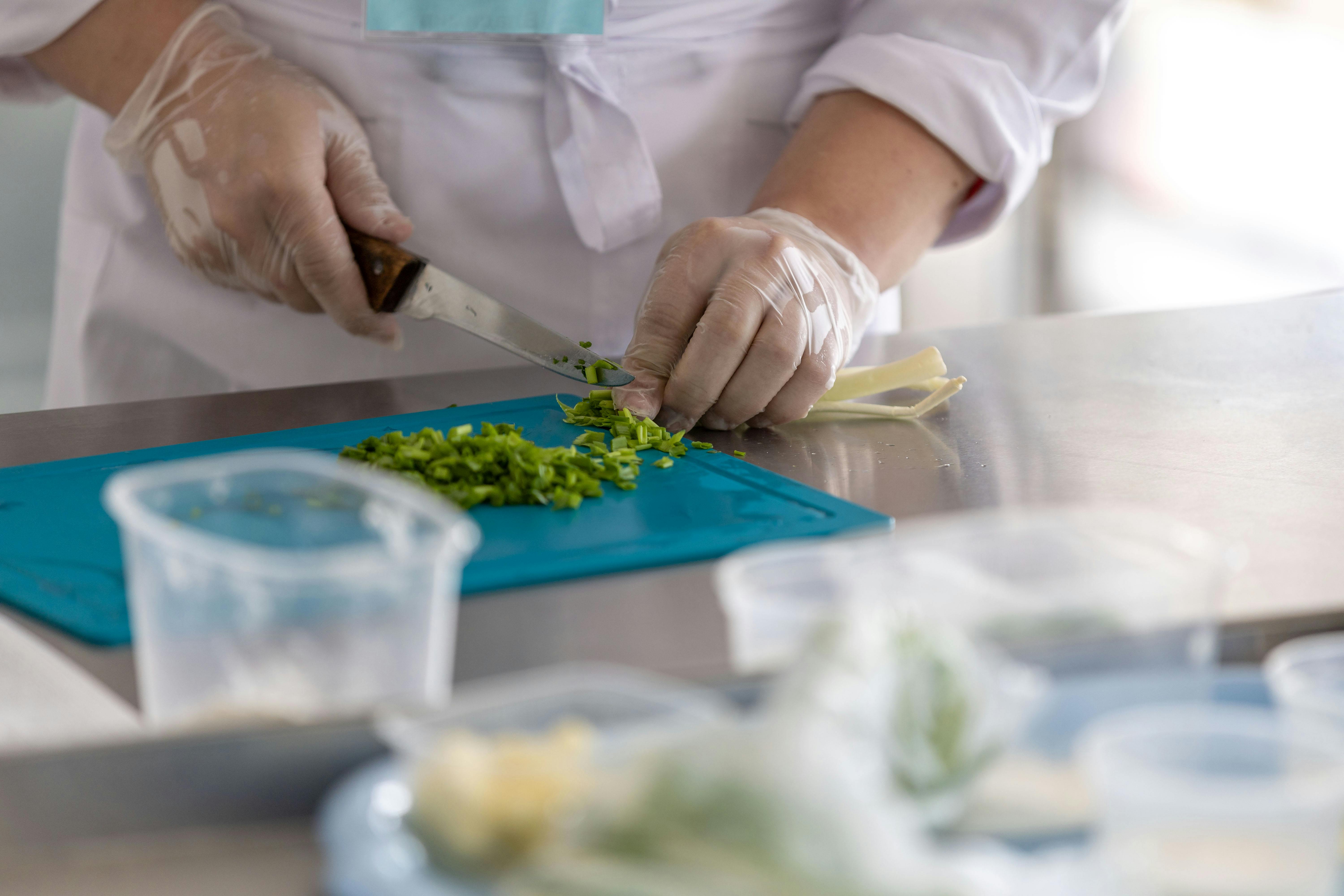
Restaurants need to inspect deliveries, store ingredients correctly, monitor freshness, and organize inventory.
Chefs then use these ingredients to prepare dishes according to the restaurant's recipes and standards.
The same ingredient can be transformed into completely different meals depending on the cooking method, combination of flavors, and presentation.
A simple tomato, for example, might become part of a fresh salad, a pasta sauce, or a topping on a sandwich.
Restaurants also have to manage ingredient quantities carefully.
Ordering too much can increase waste, while ordering too little may lead to unavailable dishes and missed sales.
Good inventory management helps businesses balance supply and demand while maintaining quality.
For customers, this entire process is usually invisible.
They see the finished dish, but behind it is a network of people and businesses working together.
Why Food Traceability and Responsible Sourcing Matter
Modern consumers are increasingly interested in understanding where their food comes from.
Food traceability refers to the ability to follow a product through different stages of its supply chain.
It can help businesses identify the origin of ingredients, monitor handling processes, and respond more effectively when food safety issues arise.
Responsible sourcing is another important part of the discussion.
Restaurants may consider factors such as supplier reliability, product quality, seasonal availability, and environmental practices when choosing ingredients.
Local sourcing can sometimes reduce transportation distances and support regional producers, although its environmental impact depends on the product, production method, storage, and transportation involved.
There is no single approach that works for every restaurant or ingredient.
What matters is having transparent processes and making informed sourcing decisions.

A More Connected Food Industry
The journey from farm to fork reminds us that the food industry is a connected system.
Farmers, suppliers, distributors, manufacturers, restaurant owners, chefs, and delivery teams all contribute to the final experience.
A challenge at one stage can affect several others.
Understanding these connections helps us appreciate the work behind everyday meals and the importance of quality at every stage.
At Pleny, discovering restaurants is also an opportunity to explore the wider world behind the food we enjoy.
Every meal has a journey. Discover more about the food you love with Pleny.