The Secret Life of a Restaurant Kitchen, What Happens Before Your Food Reaches the Table?
You see a delicious meal arrive at your table, beautifully presented and ready to enjoy. But behind that seemingly simple moment is an entire operation involving timing, teamwork, preparation, and precision. So, what really happens inside a restaurant kitchen before your order reaches you?

More Than Just Cooking: The Kitchen Is a World of Its Own
When we visit a restaurant, we usually focus on what happens in front of us: the atmosphere, the menu, the service, and, of course, the food.
But behind the kitchen doors, another world is operating.
A professional restaurant kitchen is a carefully organized environment where multiple people work together to prepare different dishes, manage ingredients, maintain food safety, and ensure that orders are completed efficiently.
Every person has a responsibility, and every step contributes to the final experience.
A restaurant might serve dozens or even hundreds of customers during a busy service period. Imagine preparing several different meals simultaneously while making sure every dish meets the restaurant's standards.
That's why a successful kitchen depends on more than talented chefs. It needs organization, communication, and a system that allows everyone to work together.

Meet the People Behind Your Meal
A restaurant kitchen usually includes several roles, depending on its size, menu, and operating model.
The head chef or executive chef typically oversees the kitchen operation, manages standards, and supervises the team.
The sous chef supports the head chef and helps coordinate daily activities, ensuring that preparation and service run smoothly.
Then come the chefs and cooks responsible for different stations.
Some focus on preparing grilled dishes, others handle sauces, vegetables, desserts, or cold preparations.
In larger kitchens, responsibilities are often divided into specialized stations. This approach allows team members to concentrate on particular tasks and maintain consistency.
There are also people working behind the scenes who are just as important.
Kitchen assistants help with preparation and organization, while dishwashing teams ensure that equipment and utensils are continuously available.
Restaurant kitchens are examples of teamwork in action. A delay at one station can affect the entire service, while good coordination can make even a busy evening feel organized.

From Order to Plate: The Journey of a Restaurant Meal
The journey of your meal begins long before it reaches the kitchen.
Restaurants usually prepare ingredients in advance. This process, often called mise en place, involves organizing and preparing everything needed for service.
Vegetables may be washed and cut, sauces prepared, proteins portioned, and ingredients arranged according to the menu.
When an order arrives, the kitchen team receives the details and begins preparing the required dishes.
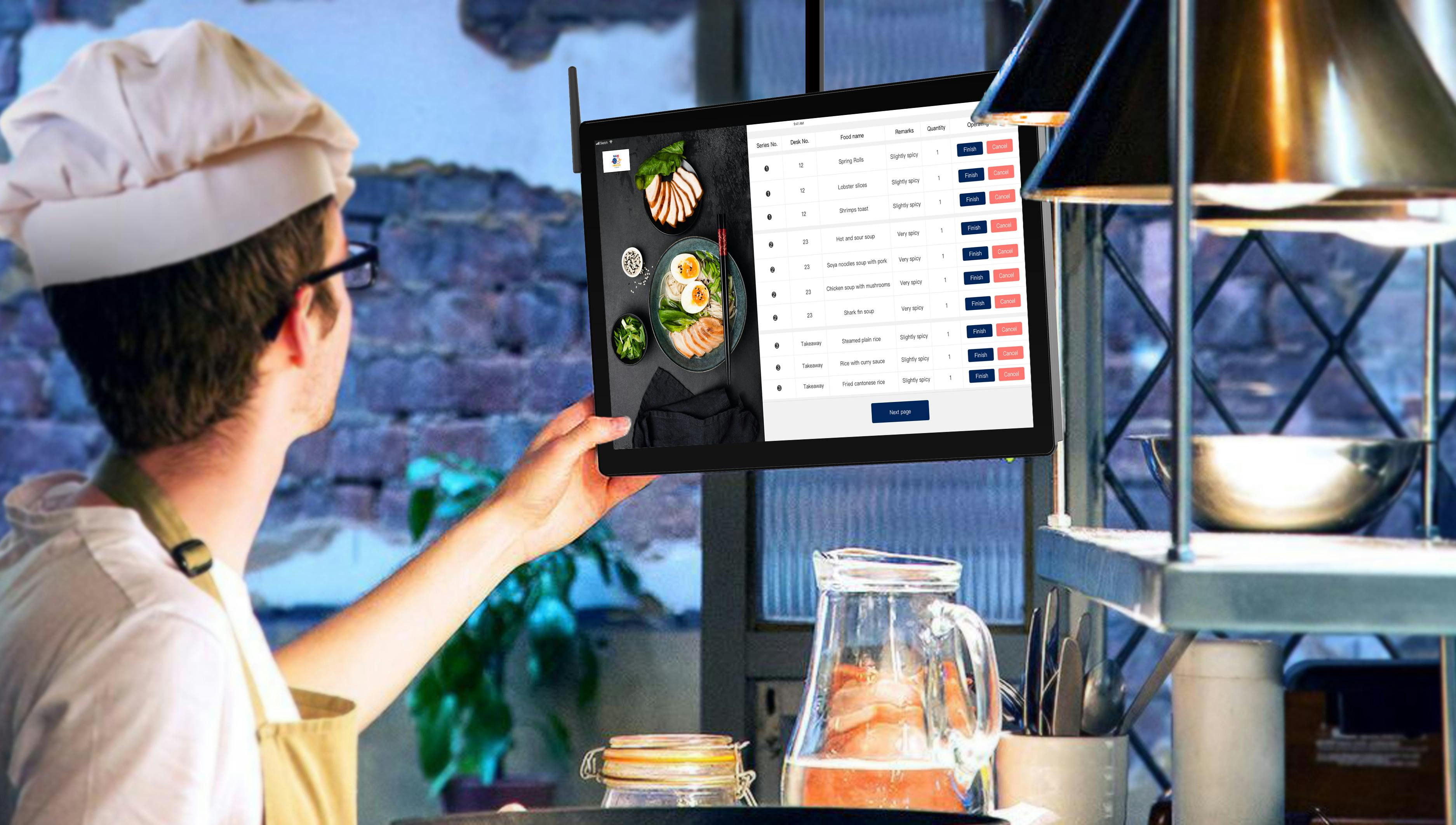
Depending on the restaurant's system, orders may appear on printed tickets or digital kitchen display screens.
The relevant stations then begin working on their parts of the order.
For example, a customer ordering a burger with fries and a side salad might have the burger prepared at one station, the fries at another, and the salad at a separate preparation area.
The team needs to coordinate the timing so that everything is ready together.
Once the dishes are completed, they may pass through a designated area where their presentation and accuracy are checked before being served or packed.
This process explains why restaurant service involves much more than simply cooking ingredients.
Every order requires coordination between people, equipment, and time.
The Challenges Customers Rarely See
Even well-organized kitchens face unexpected challenges.
A sudden rush of orders can increase pressure on the team. Ingredient shortages may require adjustments, while equipment problems can affect preparation times.
Maintaining consistency is another major challenge.
Customers expect their favorite dish to taste the same every time they order it. Restaurants therefore need clear recipes, portion standards, ingredient specifications, and preparation procedures.
Food safety is equally important.
Proper storage temperatures, hygienic preparation practices, clean equipment, and careful handling of ingredients are essential parts of kitchen management.
These responsibilities continue throughout the day, not only during busy service hours.
Technology is also changing how kitchens operate. Digital ordering systems, kitchen display screens, inventory management tools, and other software can help restaurants organize operations and monitor orders more efficiently.
Behind every successful meal is a process that customers may never see but certainly experience

A Great Meal Is a Team Achievement
The next time your food arrives at a restaurant, take a moment to think about the journey behind it.
From ingredient preparation to the final presentation, multiple people have contributed to the experience.
A delicious meal is not simply the result of one chef's skills. It's the outcome of teamwork, organization, consistency, and attention to detail.
And that's what makes restaurant kitchens so fascinating.
At Pleny, we believe discovering food should also mean appreciating the people and processes behind it.
Every great meal has a story. Discover yours with Pleny.