Why Do Restaurants Change Their Menus Throughout the Year?
Have you ever visited your favorite restaurant expecting to order the same dish, only to discover that the menu has changed? Seasonal menu changes are not always random. Behind them are decisions involving ingredients, customer preferences, availability, costs, and creativity.

Menus Are Not Meant to Stay the Same Forever
A restaurant menu might seem like a permanent list of dishes, but many businesses regularly review and update their offerings.
Some introduce completely new menus during certain seasons, while others make smaller adjustments throughout the year.
There are several reasons behind these changes.
Ingredient availability can change, customer preferences may evolve, and restaurants may discover opportunities to introduce new dishes.
A menu that works perfectly during one period may need adjustments during another.
For restaurant owners and chefs, menu planning is an ongoing process that involves balancing creativity with practical business considerations.

Seasonal Ingredients and Their Influence on Menus
One of the most important reasons restaurants change their menus is ingredient availability.
Different fruits, vegetables, and agricultural products have different growing seasons.
When certain ingredients are more readily available, restaurants may find opportunities to incorporate them into their dishes.
Seasonal ingredients can inspire new recipes, limited-time specials, and creative combinations.
For example, a restaurant might introduce dishes featuring seasonal vegetables or desserts using fruits that are particularly available during a certain period.
Using seasonal ingredients may also offer practical advantages, depending on the local supply chain and market conditions.
However, seasonality varies between regions, and modern supply chains mean that many ingredients can be available throughout the year.
Restaurants therefore need to consider local availability rather than assuming that every ingredient follows the same seasonal calendar.

Customer Preferences and Food Trends
Restaurants also update their menus in response to customer behavior.
A dish may become particularly popular, while another may receive fewer orders over time.
Businesses can review sales information, customer feedback, and changing preferences to understand which menu items perform well.
For example, a restaurant might notice increasing interest in plant-based options, smaller portions, new international flavors, or particular meal combinations.
This doesn't mean every restaurant should follow every food trend.
Instead, successful menu planning involves understanding which trends are relevant to the restaurant's audience and brand identity.
Customer feedback can also reveal practical opportunities.
If customers repeatedly request a particular side dish or alternative ingredient, the restaurant may consider introducing it.

The Business Strategy Behind Menu Changes
Menu planning is not only a creative decision. It is also an important part of restaurant management.
Every dish has a cost structure that includes ingredients, preparation time, labor, and other operating expenses.
When ingredient prices change or suppliers experience availability issues, restaurants may need to review recipes, portion sizes, or menu prices.
A menu update can also help improve kitchen efficiency.
For example, using compatible ingredients across several dishes may simplify inventory management and reduce the number of ingredients a restaurant needs to purchase.
Restaurants may also remove dishes that are difficult to prepare consistently or that do not perform well commercially.
This is why menu engineering is an important part of the restaurant business.
It involves evaluating menu items based on factors such as popularity, profitability, and operational requirements.
A successful menu should offer appealing choices while supporting the restaurant's overall business objectives.

Limited-Time Menus: Creating Excitement and Curiosity
Have you ever ordered a dish simply because it was available for a limited time?
Restaurants sometimes introduce temporary menu items to create excitement, test new concepts, or highlight particular ingredients.
Limited-time offers can encourage customers to try something different without requiring the restaurant to make a permanent menu change.
They can also provide valuable information about customer interest.
If a temporary dish performs well, the restaurant may decide to keep it as a regular menu item.
If it doesn't attract enough interest, the business can move on to another idea.
This gives restaurants a way to experiment while keeping their menus fresh.

A Menu Is a Reflection of a Restaurant's Identity
Although seasonal changes and customer preferences are important, restaurants should not lose sight of what makes them recognizable.
A restaurant known for traditional dishes should maintain the qualities that customers expect.
A business focused on creative cuisine should continue exploring new ideas while maintaining its identity.
The challenge is finding the right balance between consistency and innovation.
Customers want familiar favorites, but they also appreciate having new options to discover.
A well-planned menu can offer both.
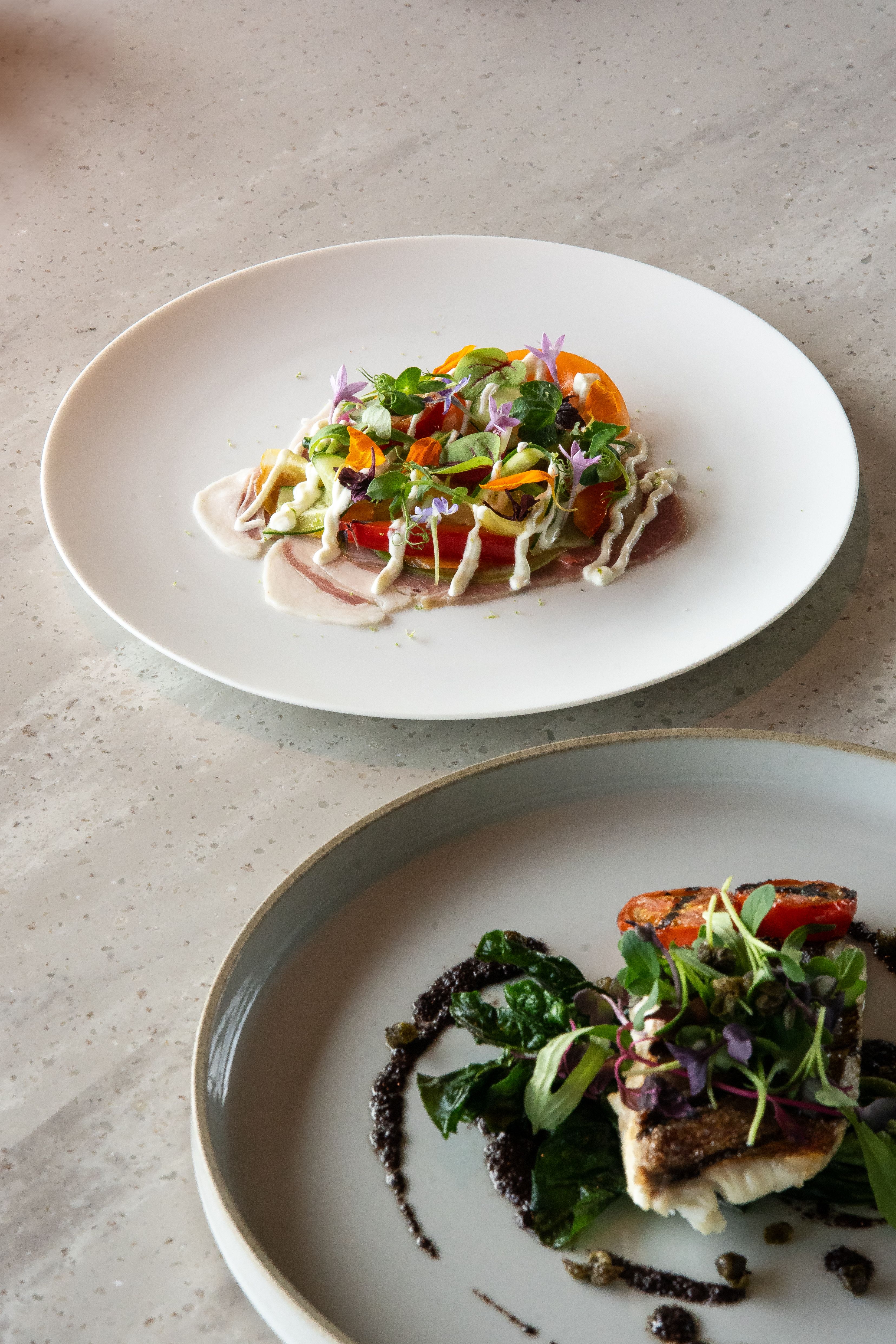
Discovering the Secret Menu
Sometimes, the most exciting food experiences are not found on the regular menu. They are hidden in unexpected combinations, creative twists, and dishes that deserve more attention.
That is exactly what inspired Pleny's Secret Menu series. Through these episodes, we explore the fun and creative side of restaurant menus, uncovering food experiences that people might not usually think to try.
Because a menu is never just a list of dishes. It is an opportunity for restaurants to experiment, surprise their customers, and introduce something new. And sometimes, the best discoveries are the ones you least expect.