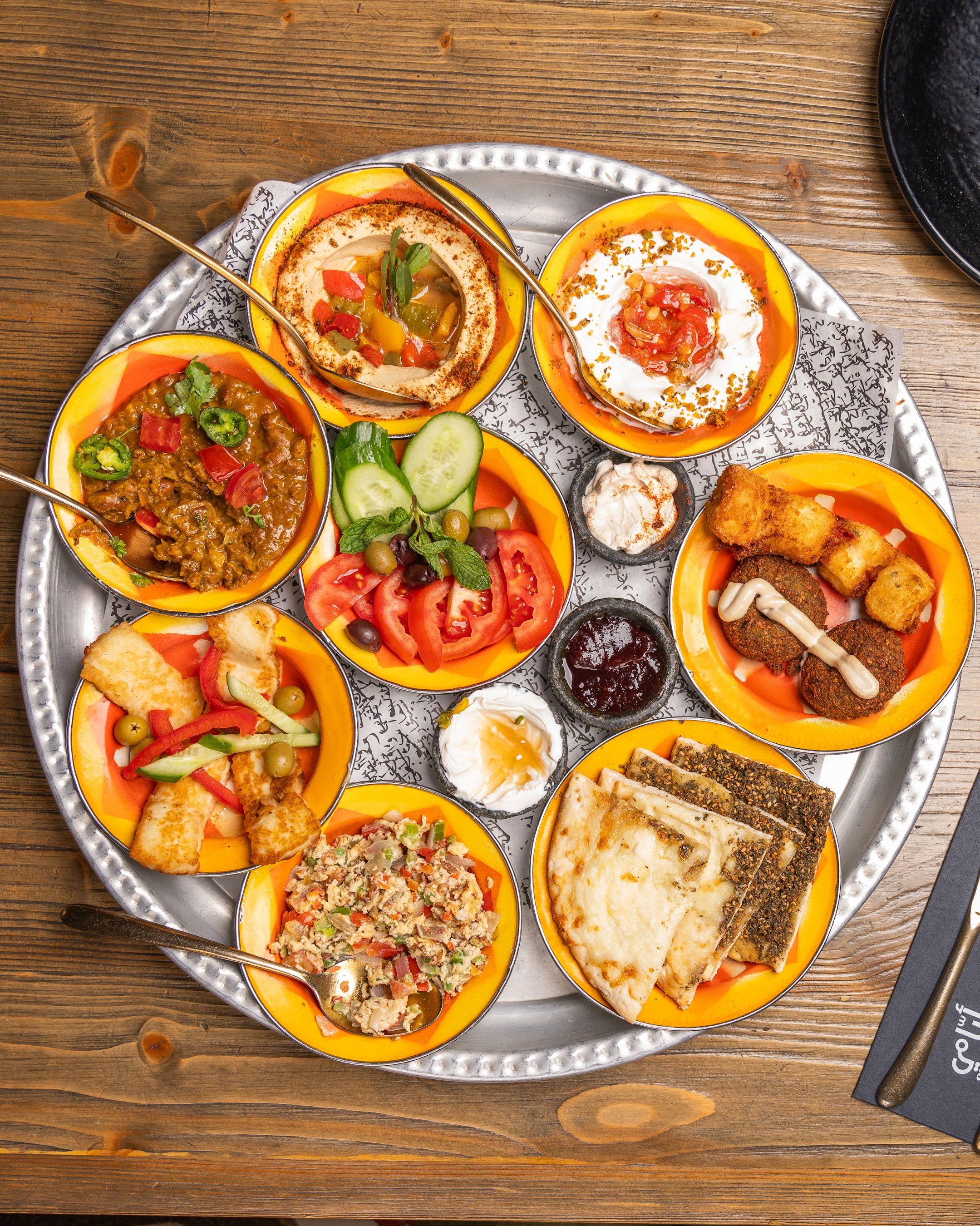
Exploring the Traditional Kitchens of the Middle East
Food is the universal language of the Arab world. It is more than just sustenance; it is a storyteller of history, a symbol of hospitality, and the heartbeat of every home. While we often group "Middle Eastern food" into one category, every country carries a distinct culinary DNA—shaped by its soil, its trade routes, and its ancestors.
This month, join us on a four-week culinary journey across the region. Every week, we will step into a different traditional kitchen to uncover the secret spices, the ancient tools, and the cultural rituals that make each cuisine unique.
Week 1: The Earthy Soul of Egypt
Week 2: The Aromatic Majesty of Saudi Arabia
Week 3: The Coastal Heritage of the UAE
Week 4: The Vibrant Elegance of Lebanon
Pull up a chair and sharpen your appetite. Our journey begins now in the land of the Pharaohs.

To understand the Egyptian kitchen, you must look at the land. For thousands of years, the silt of the Nile River has provided the beans, grains, and greens that form the backbone of one of the world's oldest culinary traditions. The Egyptian "Matbakh" (kitchen) is a celebration of the earth—hearty, resourceful, and deeply soulful.
The Iconic "Big Three" of Egypt
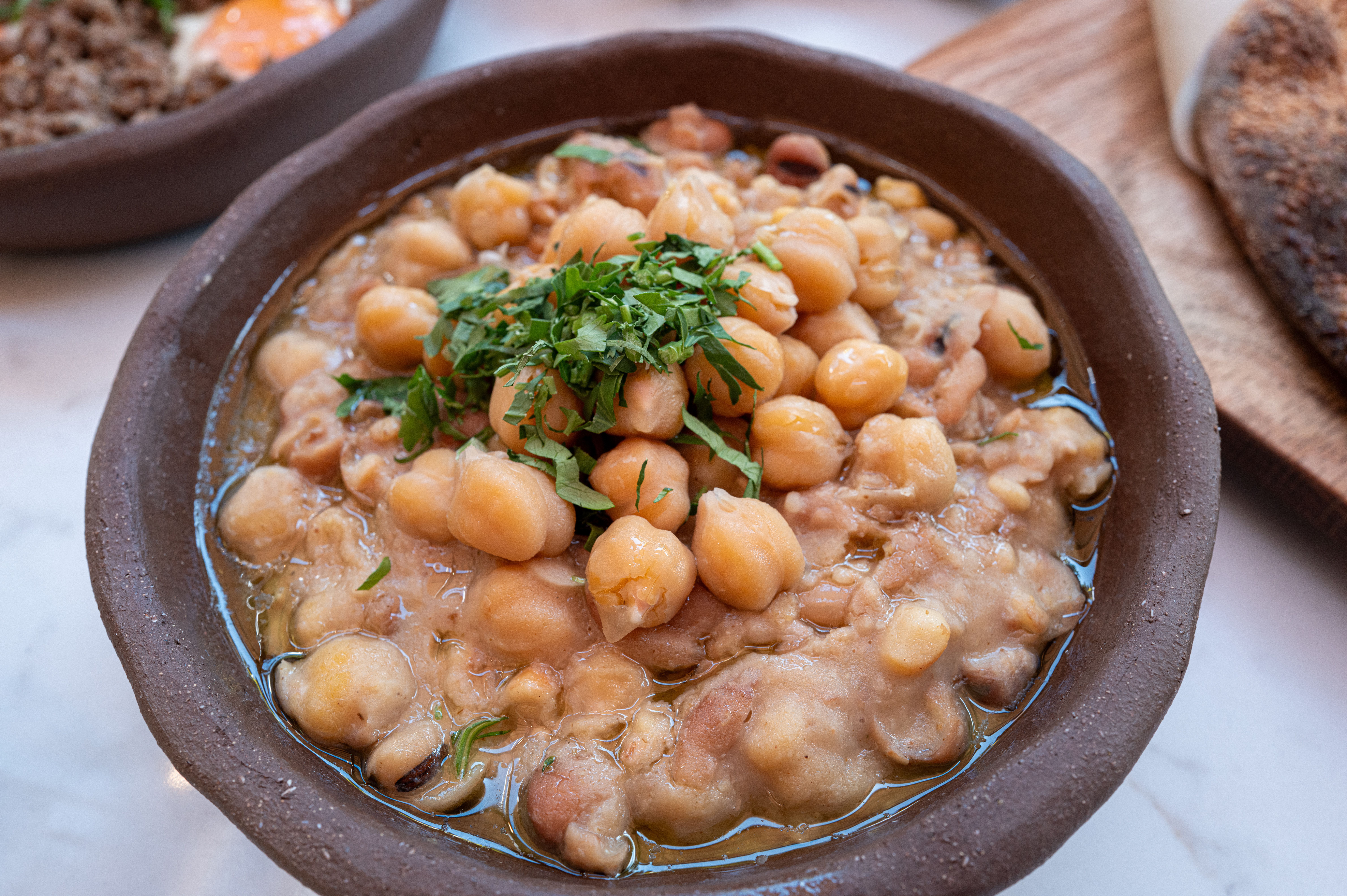
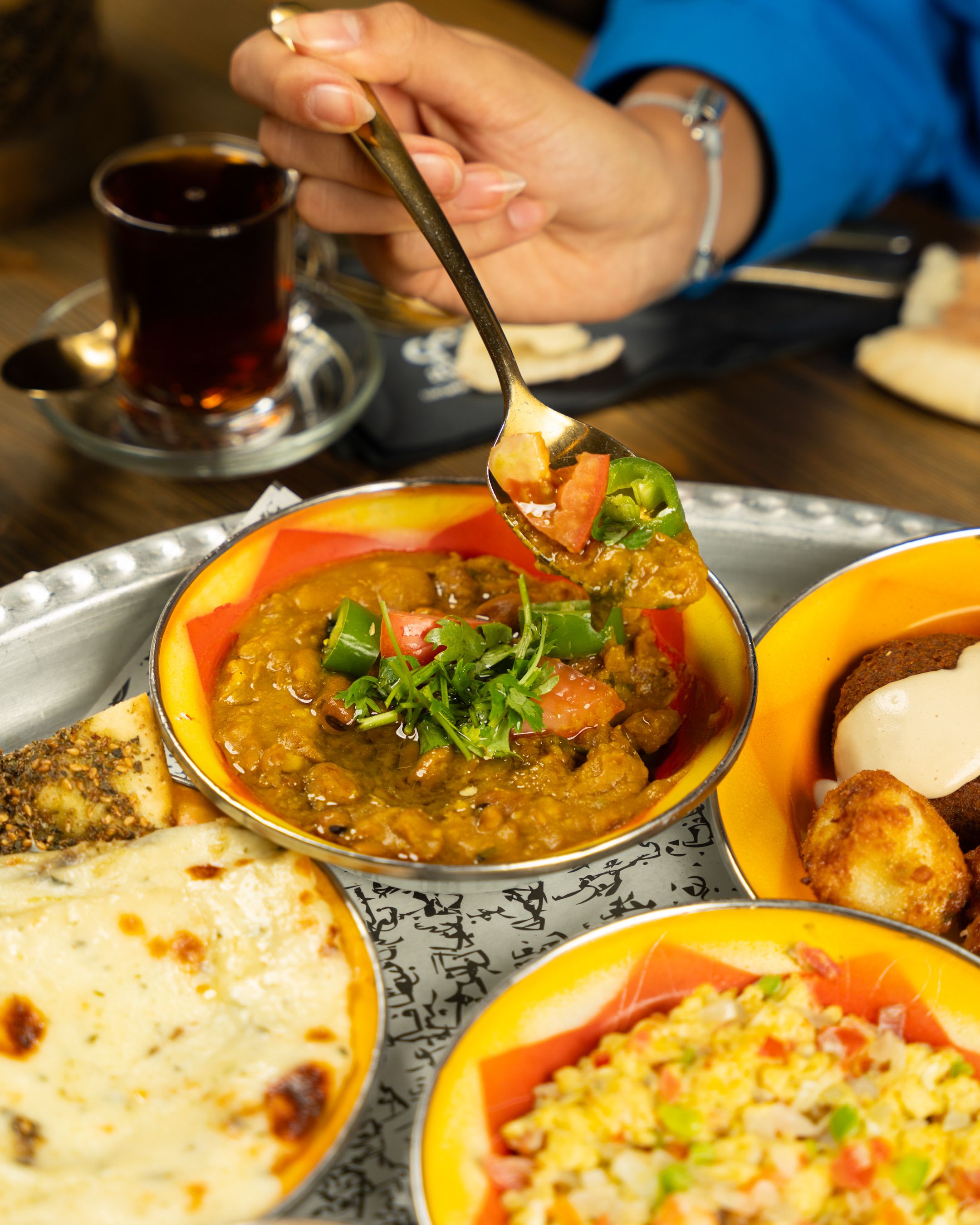
1. Ful Medames: The Gift of the Pharaohs If Egypt had a national scent, it would be the aroma of slow-cooked fava beans. Ful is the ultimate equalizer; it is eaten by kings and street workers alike.
The Ritual: Traditionally, it is slow-cooked in a Kedra (a heavy, narrow-necked copper pot) for 12 hours. This process, known as demis, turns the beans into a buttery mash.
The Serving: It’s best enjoyed with a heavy drizzle of olive oil or flaxseed oil (Zait Har), a squeeze of lemon, and a dash of cumin.
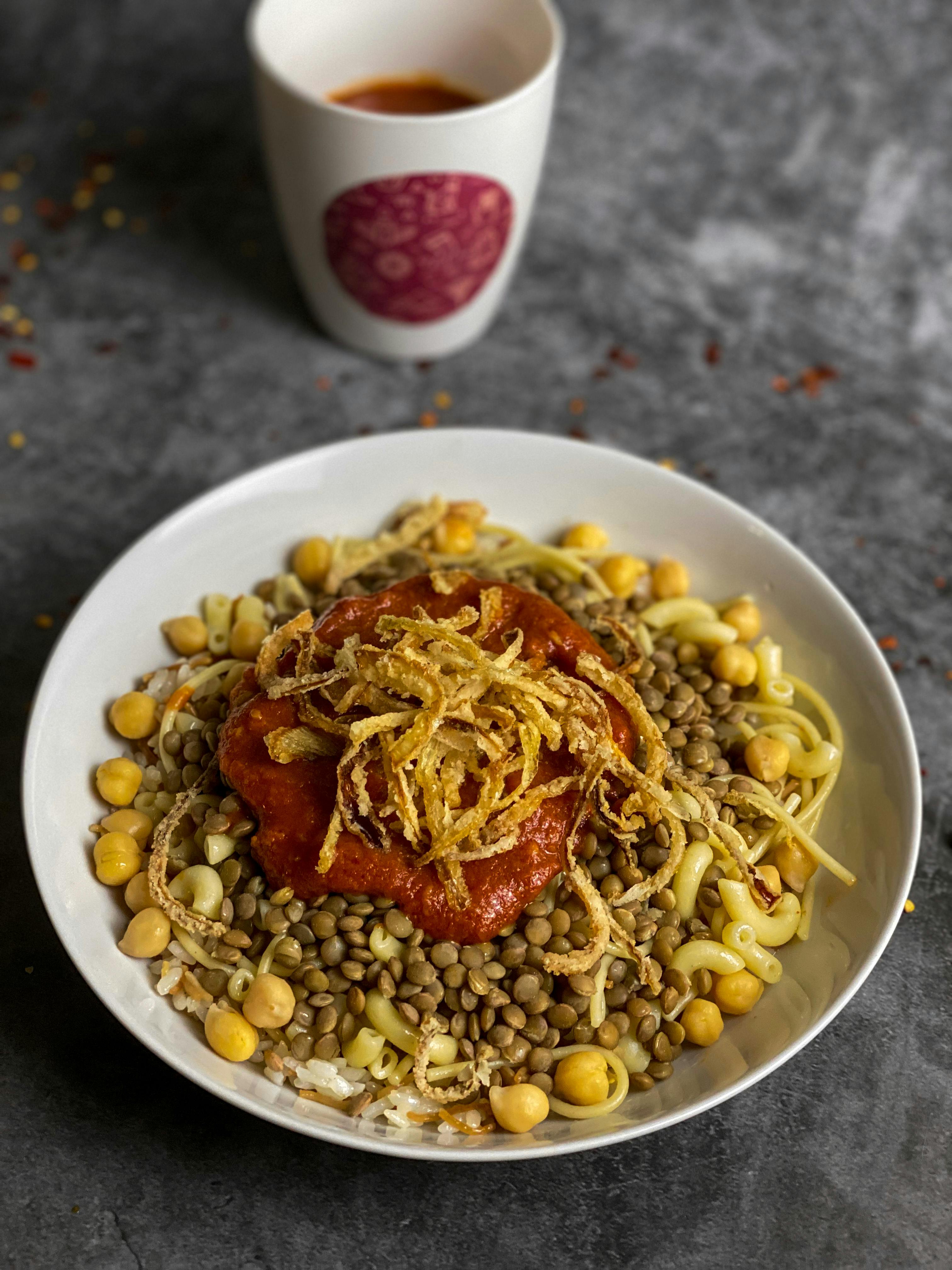
2. Kushari: A Multicultural Symphony Often called the "National Dish," Kushari is a fascinating example of cultural fusion. Born in the 19th century when Egypt was a global crossroads, it is a carb-lover’s masterpiece.
The Mix: A layering of pasta, rice, and black lentils, topped with chickpeas and crispy "Ward" (fried onion "roses").
The Spark: It is never complete without Dakka (a garlic-vinegar splash) and a zesty, spicy tomato sauce.
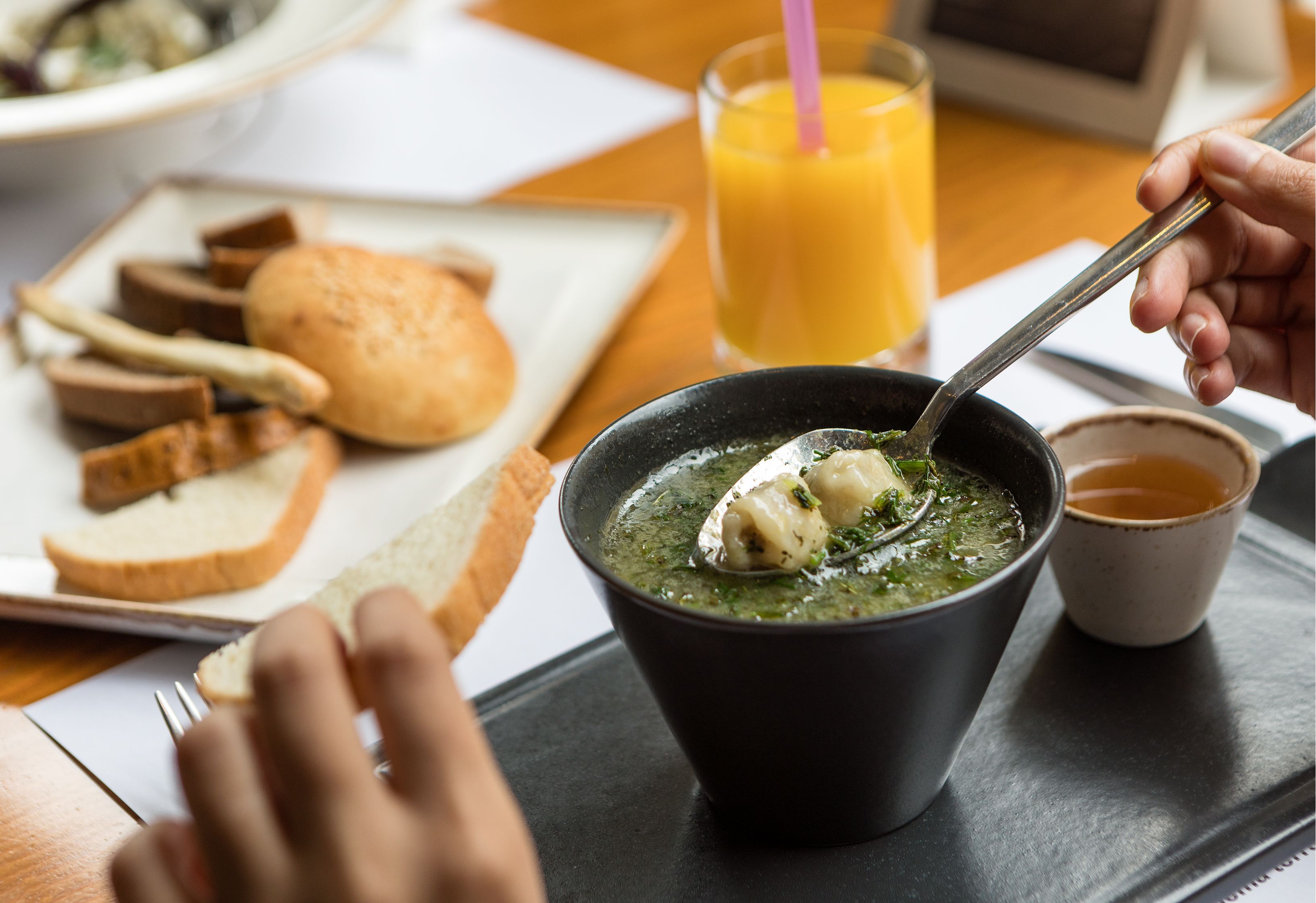
3: The Royal Green Once a dish reserved for ancient royalty, this jute mallow soup is famous for its unique, silky texture.
The "Tasha": The magic happens at the very end when the cook fries crushed garlic and dry coriander in ghee and pours it over the soup.
The Legend: Egyptian tradition says the cook must make a short "gasp" (the sheh’t el-molokhia) when adding the garlic to ensure the flavor is perfect!
The Cultural Spirit: "Eish wa Malh"
In Egypt, the phrase "Eish wa Malh" (Bread and Salt) represents a sacred bond. When you eat with someone, you aren't just sharing a meal; you are forming a contract of loyalty and friendship.
The Egyptian kitchen isn't about fancy presentation; it’s about "Nafas"—a term used to describe a cook's "soul" or "breath" in their food. It is the secret ingredient that makes a simple bowl of beans feel like a feast.