How Did the Flavors of the East Travel to Conquer the World?
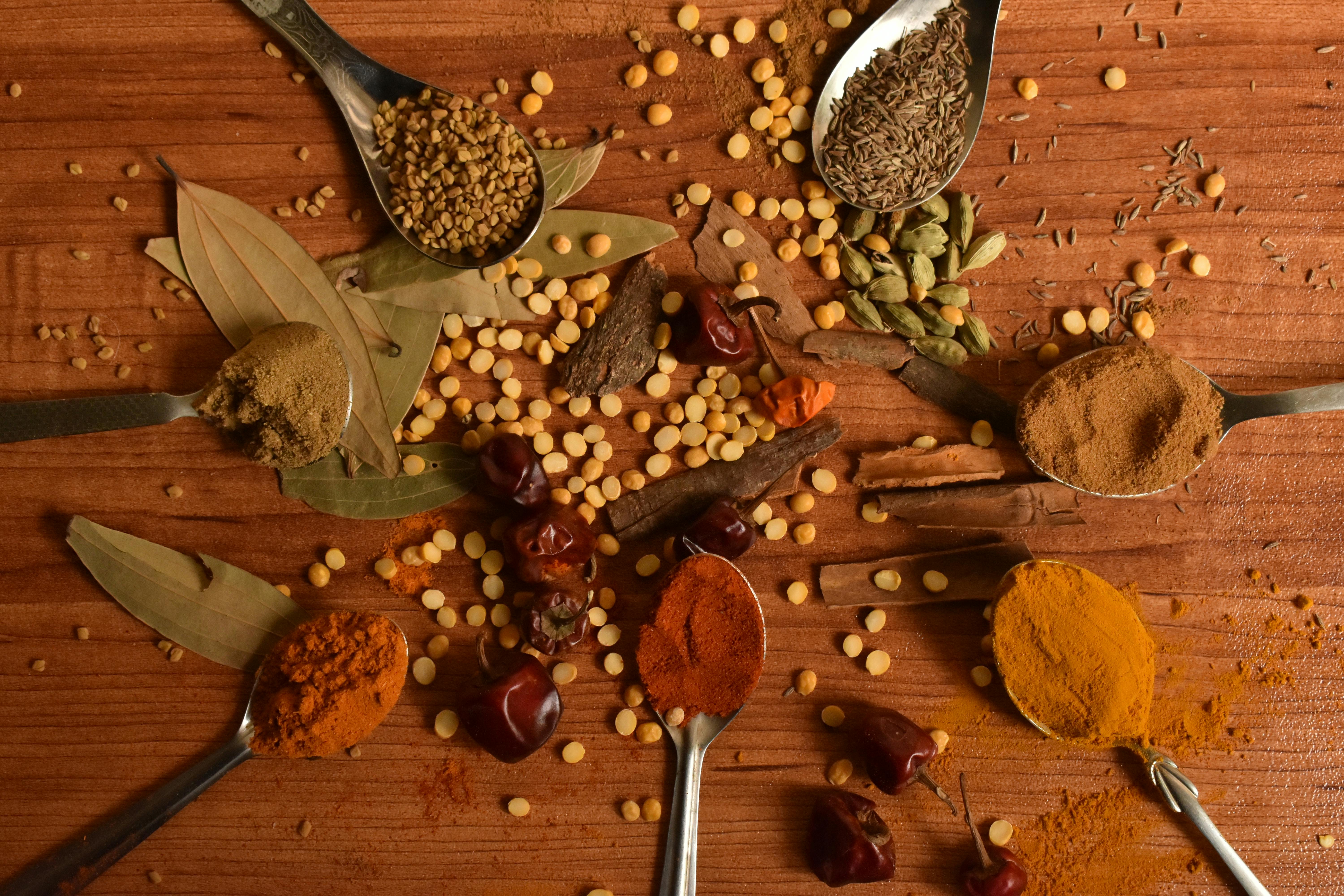
They are not merely colored powders in carefully arranged glass jars — they are "time capsules." The moment heat touches a pinch of turmeric or a cinnamon stick, the door of history swings open, and the scent of thousands of years of wandering and adventure fills the air.

When "Pepper" Was Worth More Than Gold
Imagine that the small black peppercorns you casually sprinkle on your plate today were once a reason for redrawing the map of the world! In the Middle Ages, pepper was called "black gold," and kings and nobles stored it in iron safes, offering it as ransom in wars or as part of precious dowries. It was spices that drove explorers like Vasco da Gama and Columbus to brave the oceans in search of a shorter route to their sources.

The Geography of Flavor: Where Does the Soul Come From?
Every type of spice carries within its very atoms the character of the land in which it grew.
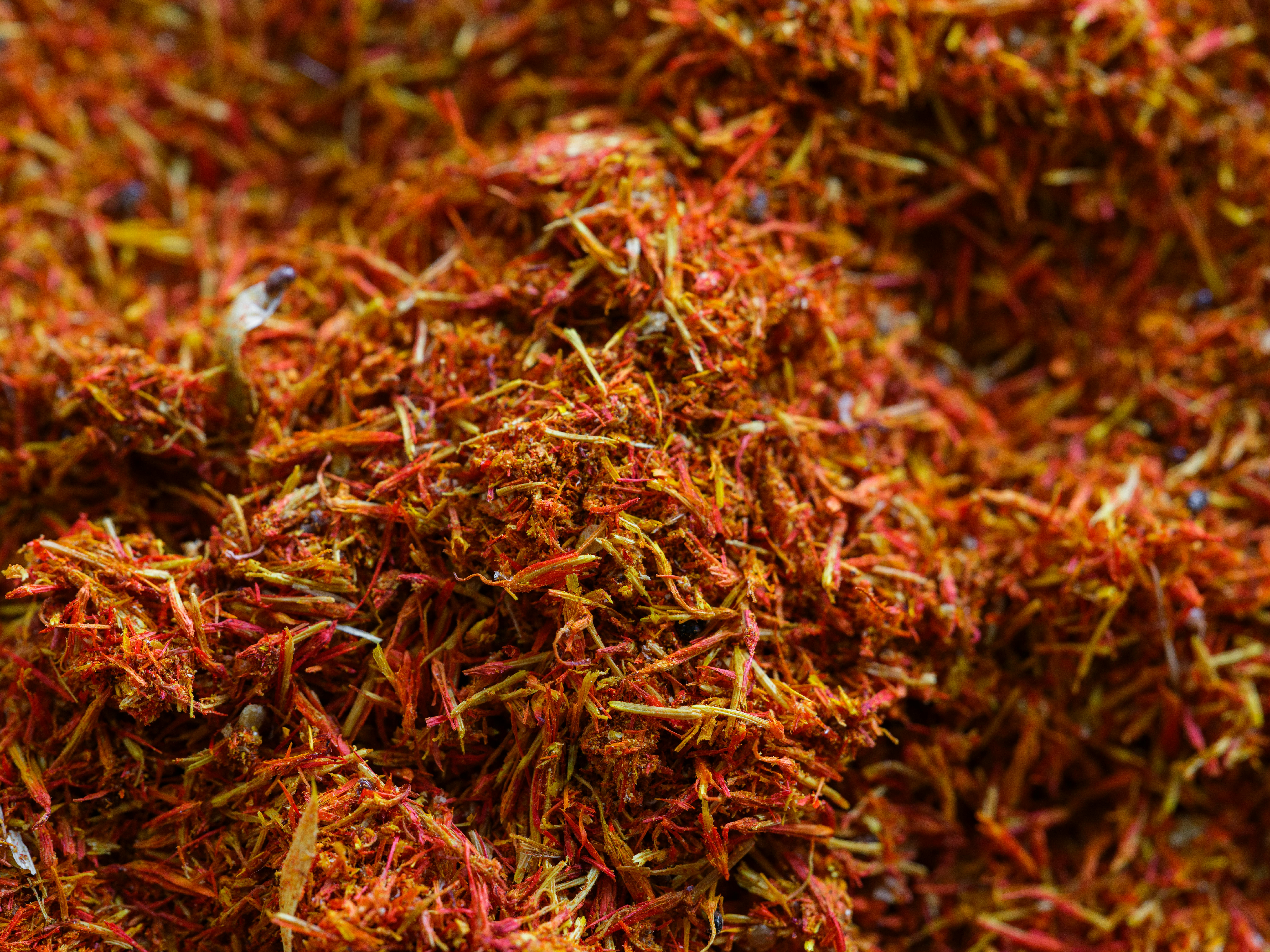
Threads of Sunlight (Saffron)
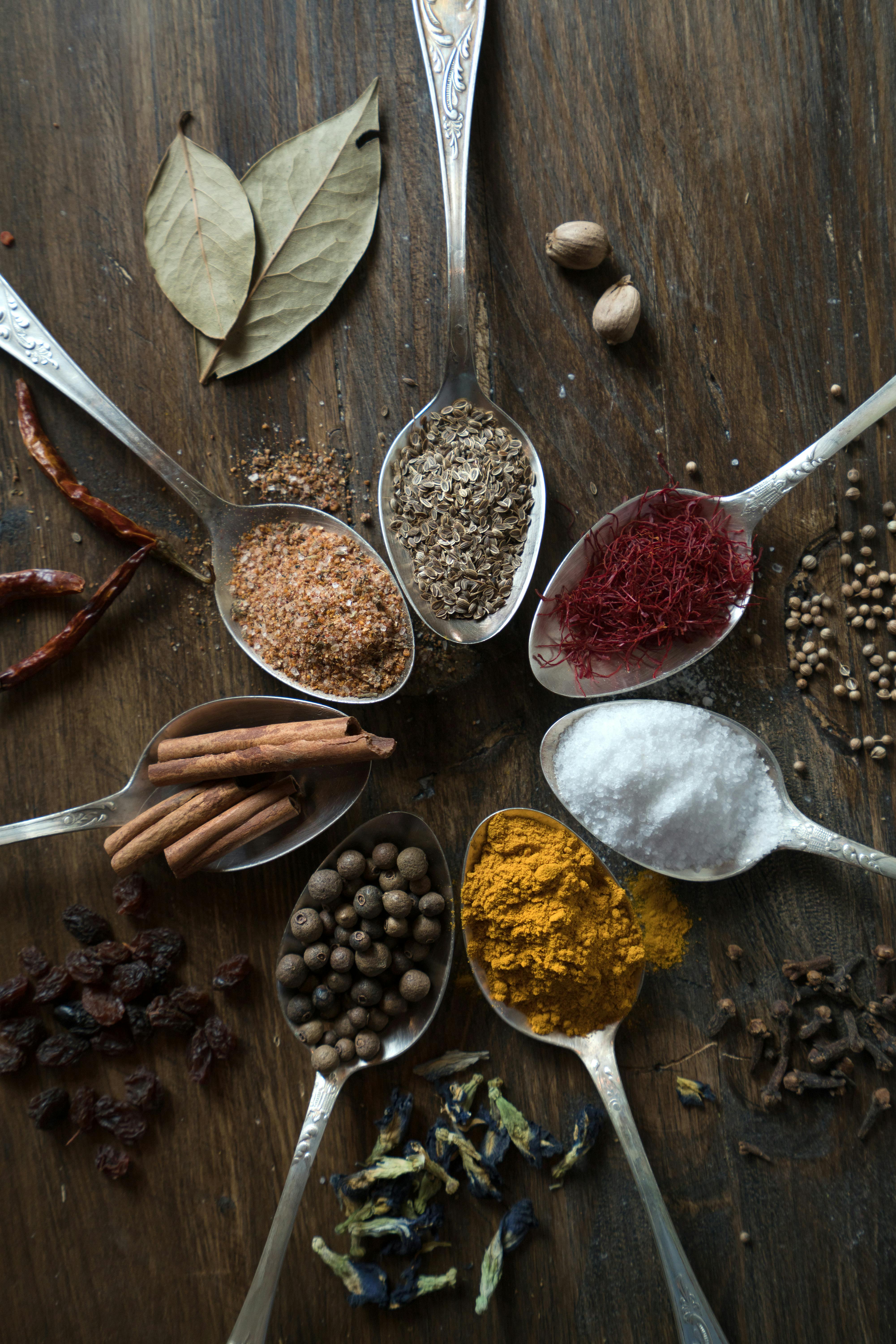
Those delicate threads, collected by hand one by one from the heart of iris flowers in Iran and Spain. Producing just one kilogram requires thousands of flowers — making it the undisputed "king of spices."
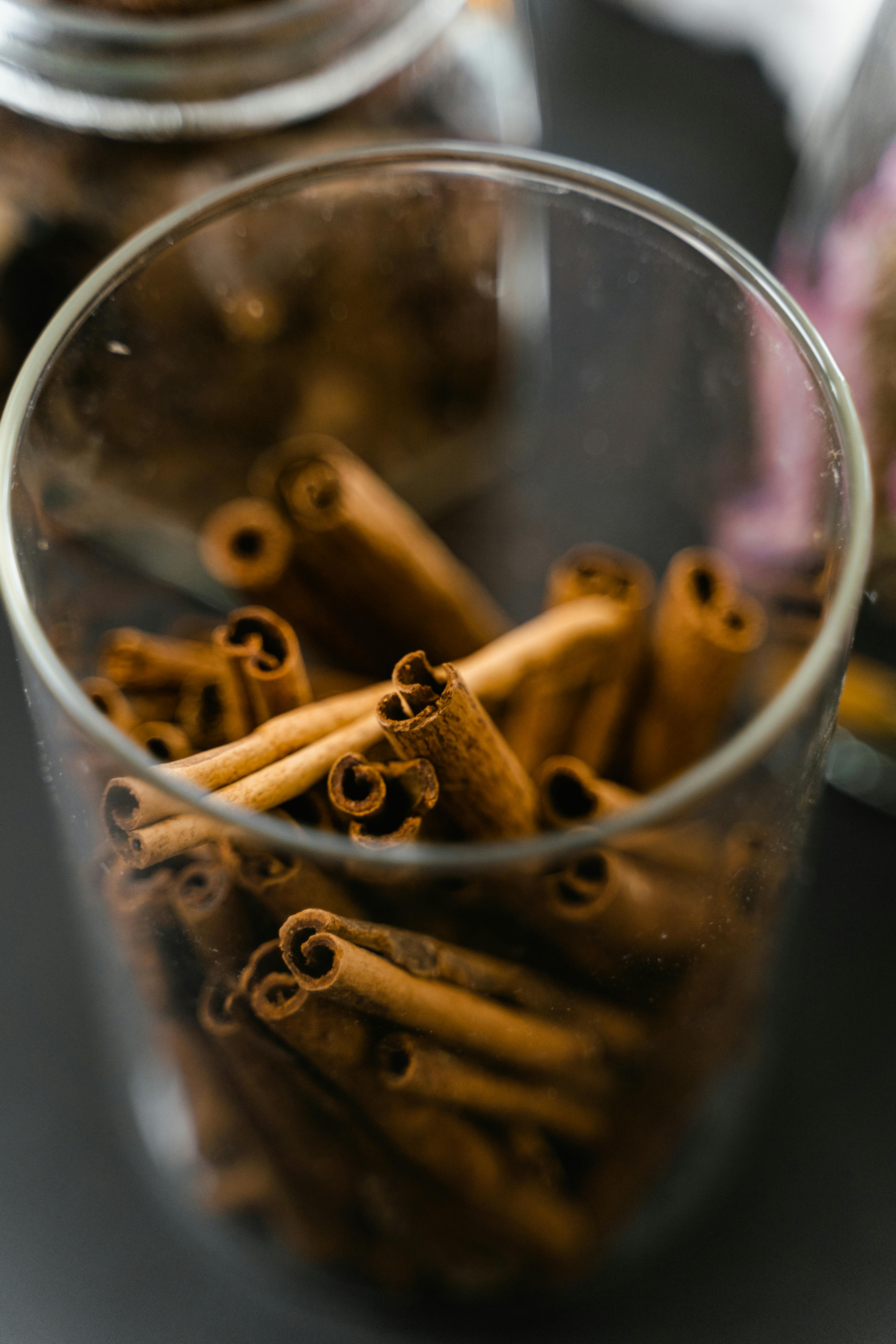
Secrets of Sri Lanka (Cinnamon)
It is, at its core, the bark of ancient trees, carrying within its folds the warmth of the tropical sun and the scent of heavy rain.
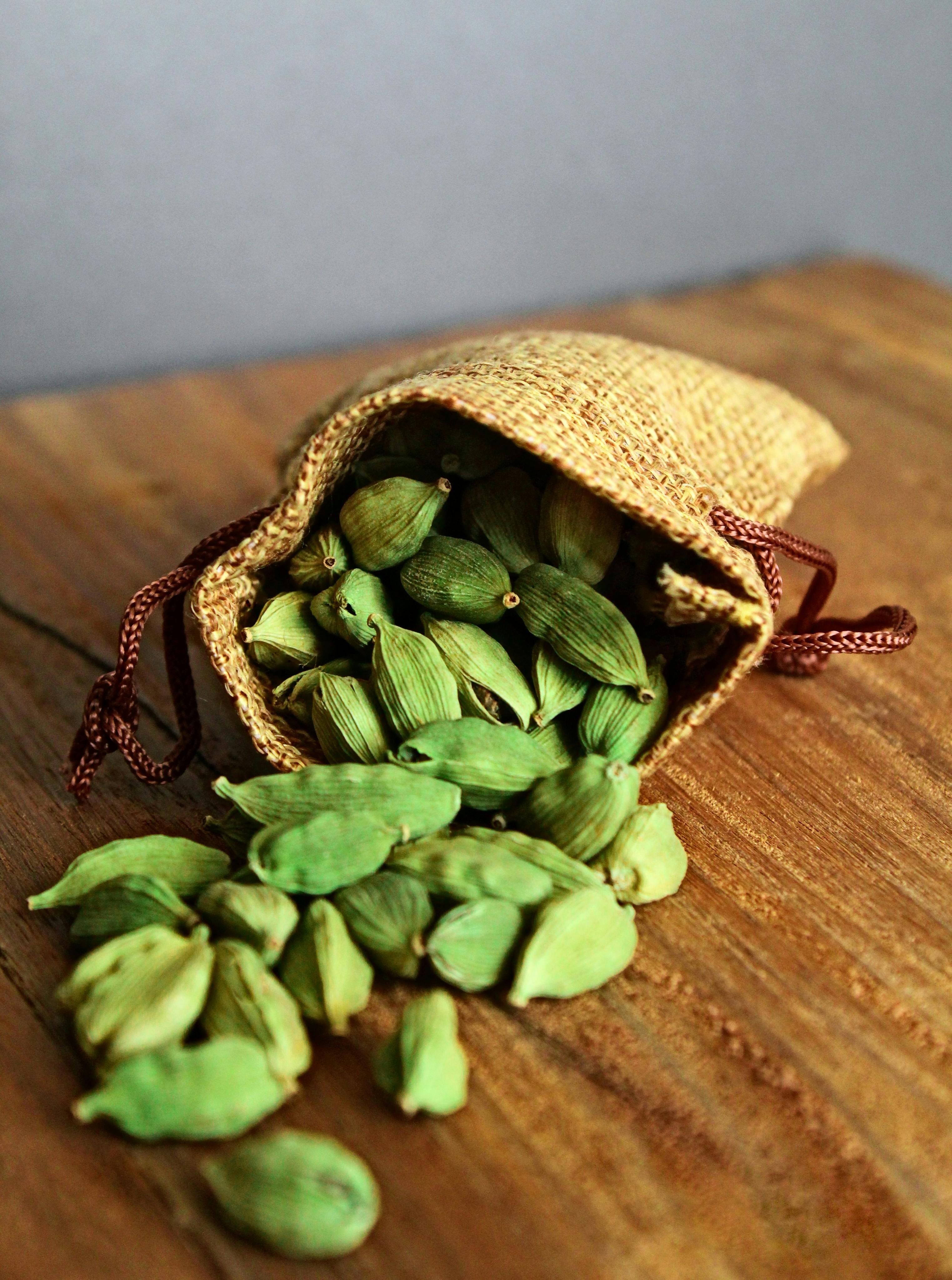
The Master of the Gathering Room (Cardamom):
Arabic coffee is never complete without it. It is the bond between India and the Arabian Peninsula, and its aroma is synonymous with "generosity" in our homes.
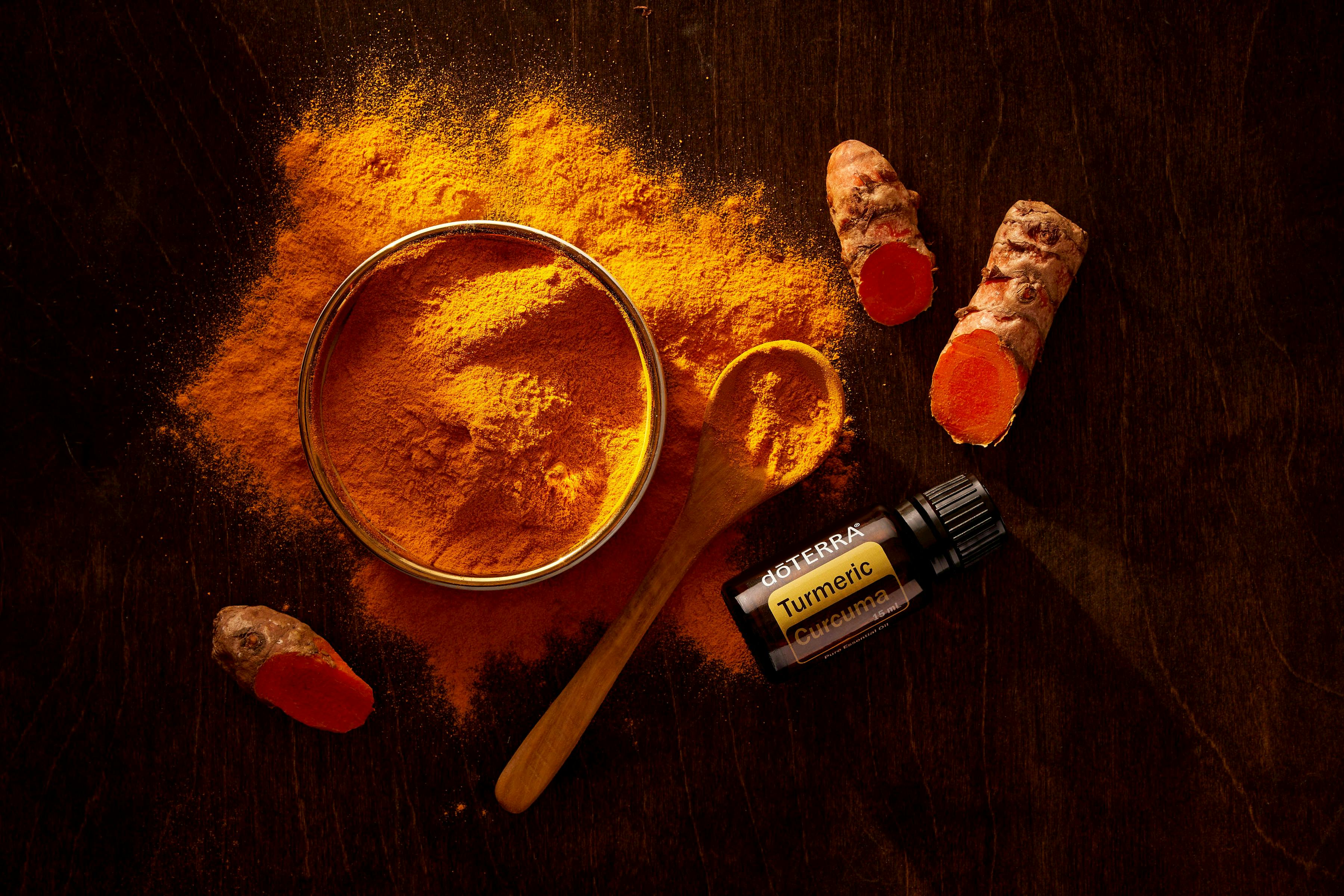
In your kitchen, you are not merely cooking — you are painting a work of art:
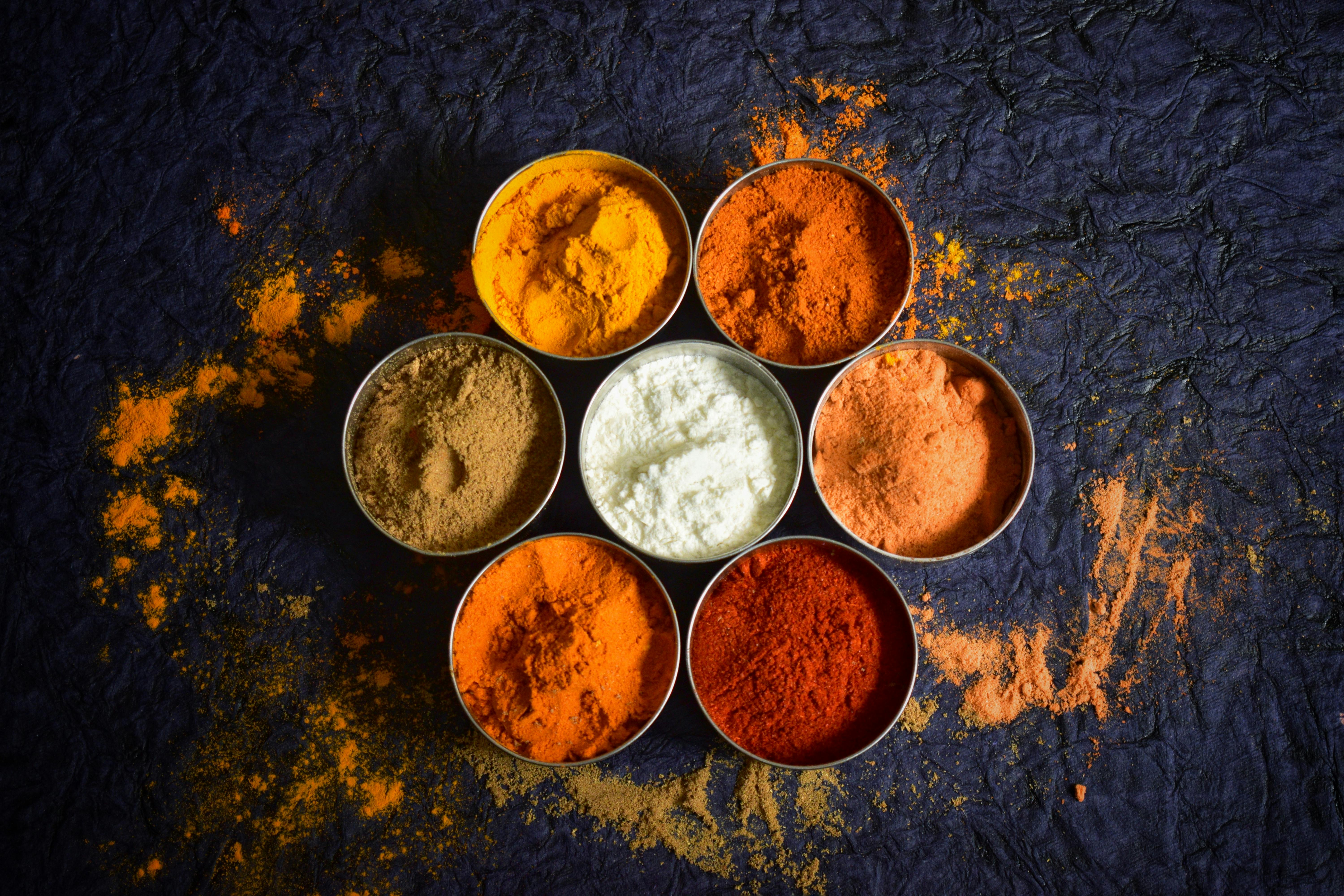
Yellow (Turmeric): It gives the dish a radiance that resembles a sunrise, and it is "nature's balm" with its countless benefits.
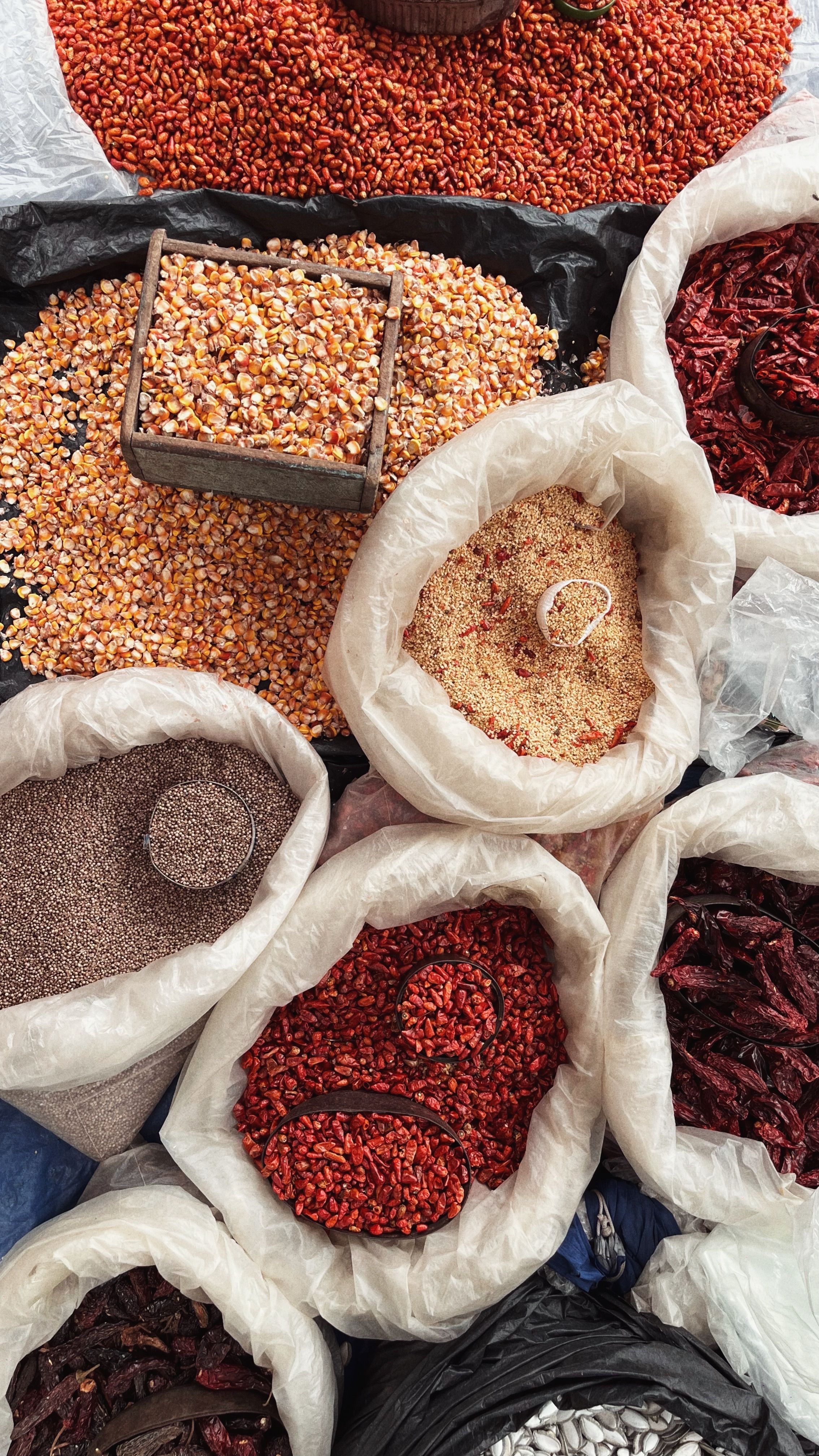
Red (Paprika): It adds a touch of warm sunset, swinging between sweetness and heat.
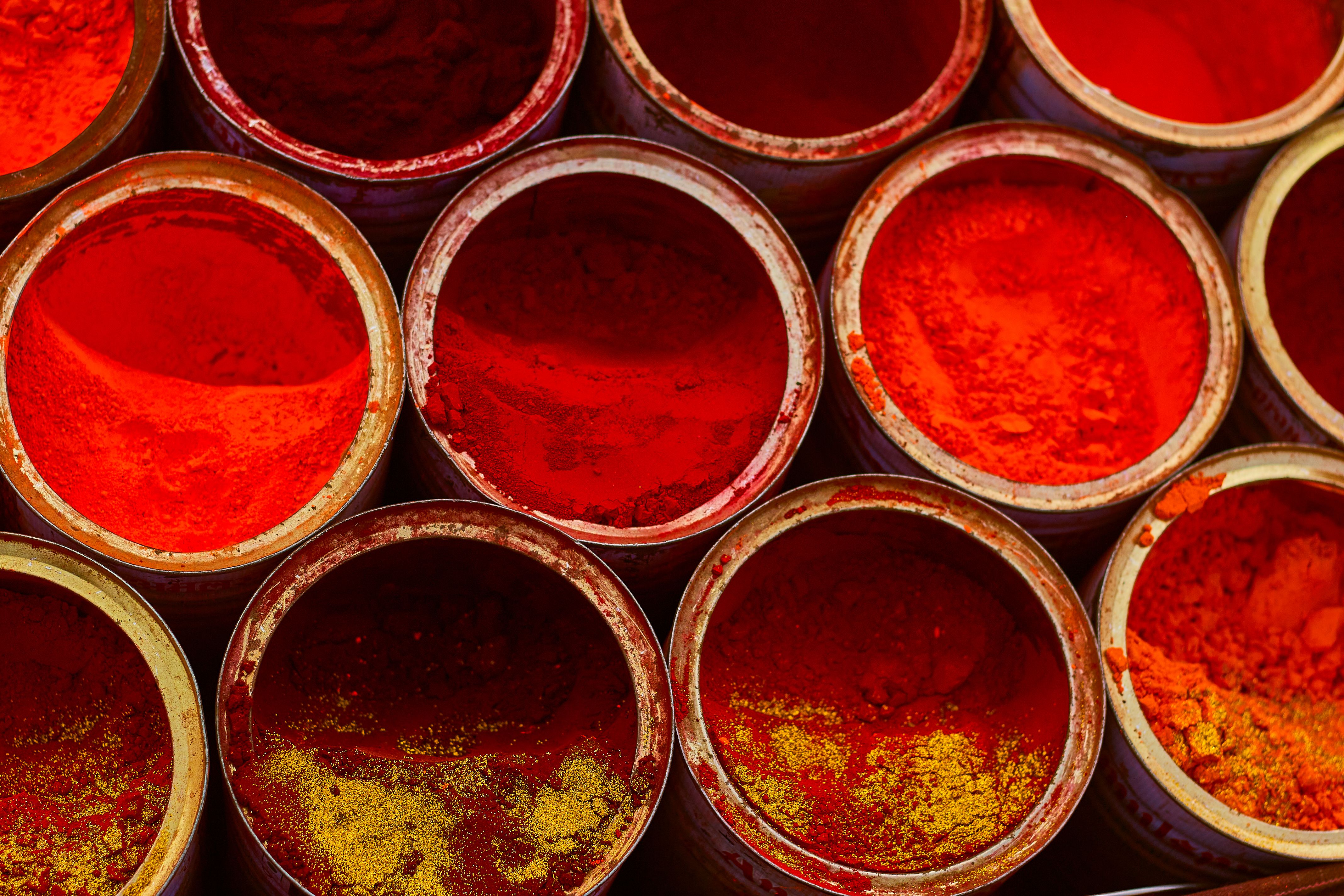
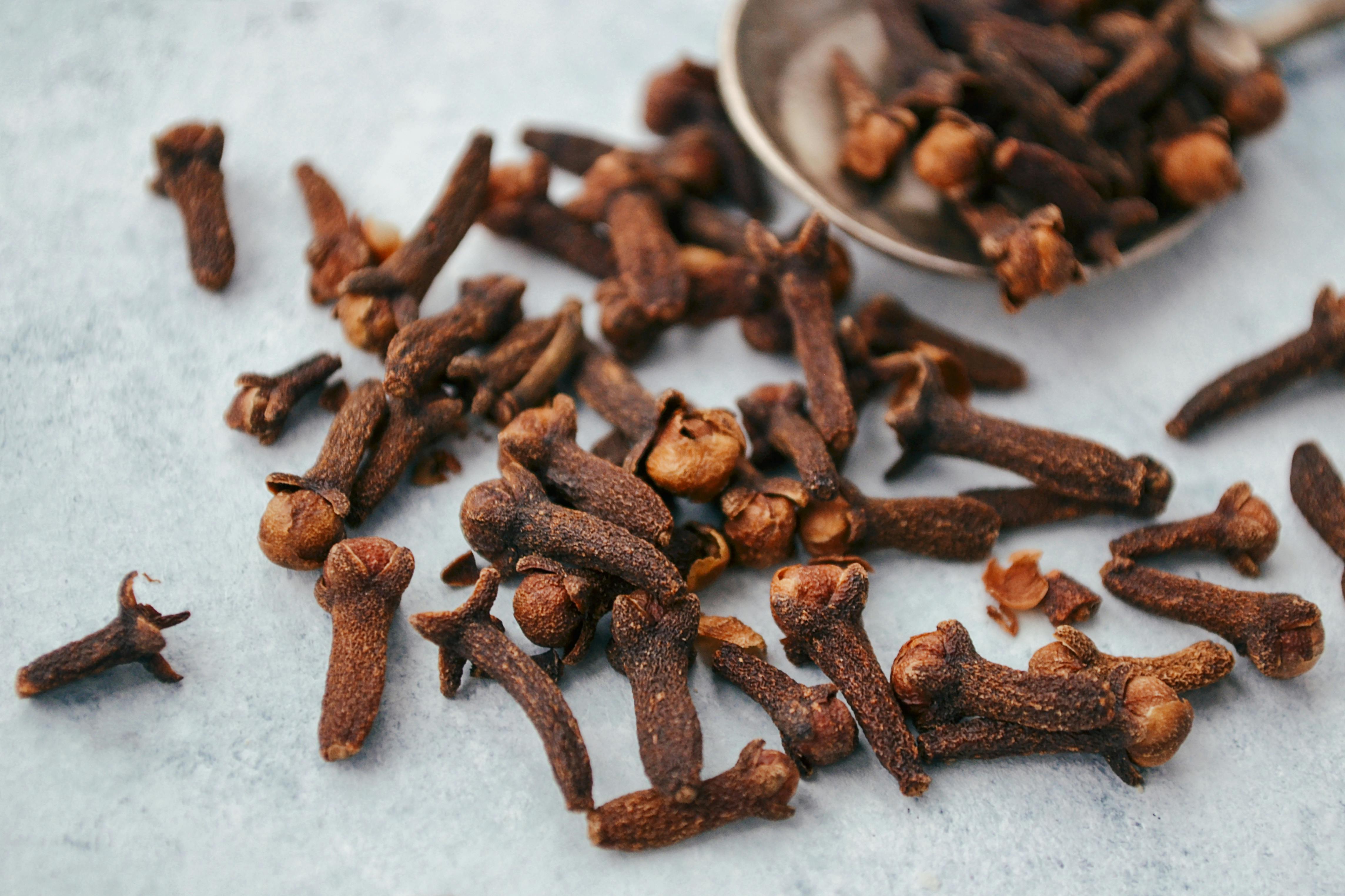
Brown (Cloves and Cinnamon): These are the colors of the earth, giving us a sense of stability and calm, and always reminding us of our grandmothers' warm homes.
The Magic Blend: The Identity of Peoples
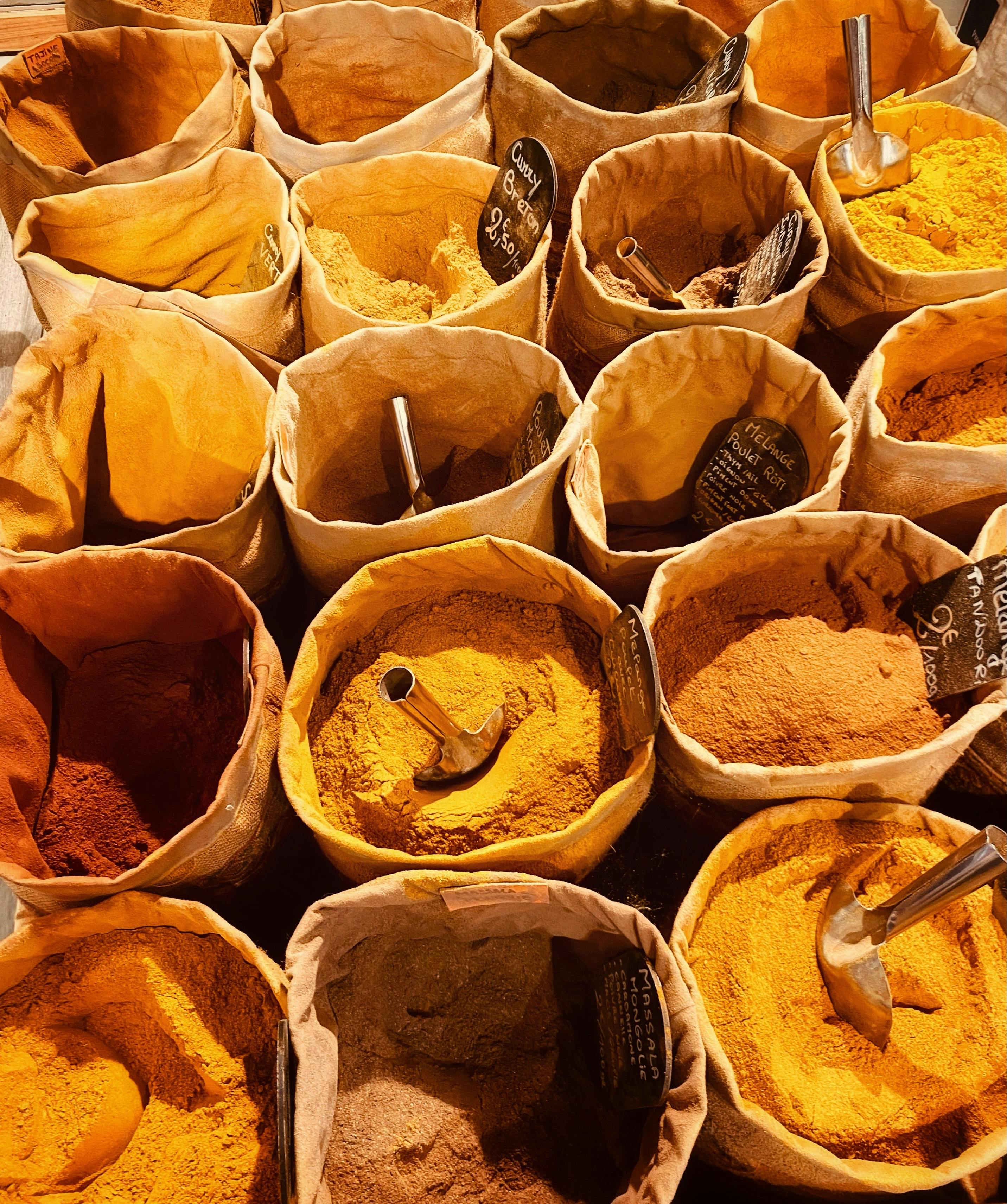
Spices are the "genetic fingerprint" of every cuisine. While the Maghreb countries rely on "Ras el Hanout" — which can contain more than 20 varieties — the Levant takes pride in "The Seven Spices", which lend food a rich, Damascene soul. And in Egypt, "Dukkah" remains the magical blend that combines the simplicity of ingredients with depth of flavor.
The next time you add a pinch of pepper or a cardamom pod, remember that it has traveled thousands of miles, crossed seas and deserts, to stand now in your kitchen and grant you this moment of pleasure. Spices are not merely an addition to food — they are the soul that transforms "eating" into an unforgettable human and civilizational experience.